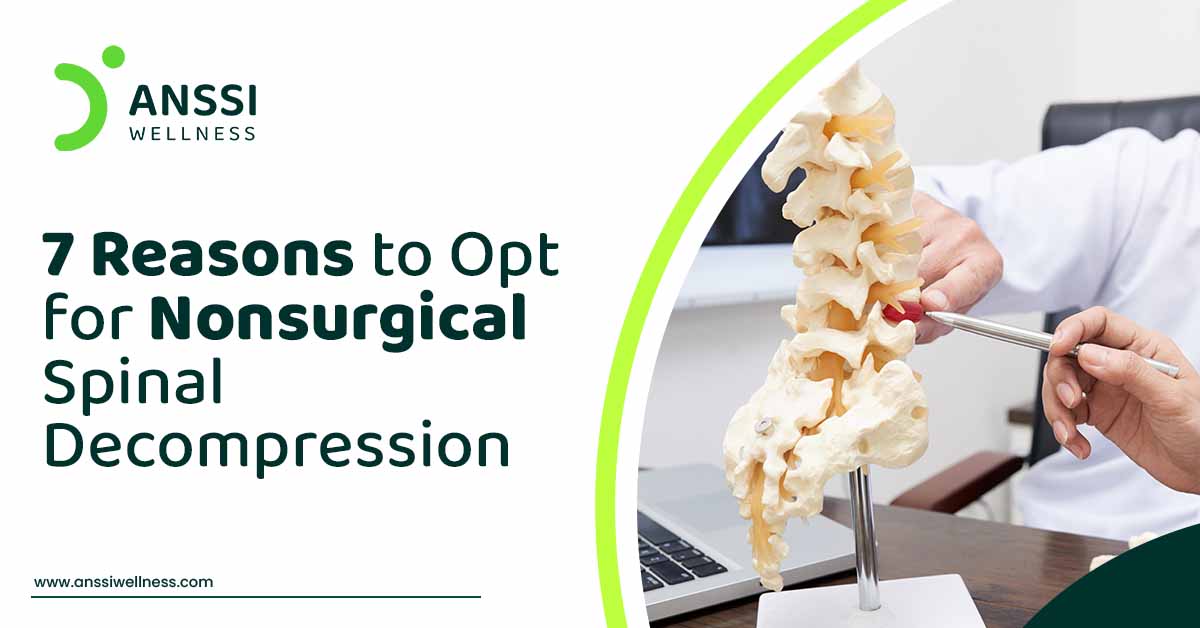
7 Reasons to Opt for Non Surgical Spinal Decompression
Pain in the spine can be severe. However, it can be relieved by receiving non-surgical spinal decompression treatment from an experienced chiropractor.
At ANSSI Wellness Center Institute, our team of specialists offers non-surgical spinal decompression therapy that can fix your pain.
Sounds interesting? Keep reading to know why you should opt for this therapy.
Just make sure to consult an experienced chiropractor so that they can assess whether spinal decompression will really work for you or not.

7 Reasons to consider spinal decompression therapy

  1. Non-surgical and drug-free
  2. Although back and neck pain are common symptoms, not everyone gets long-lasting relief from pain. In case, medications, steroid treatment, and physical therapy don’t work, doctors recommend surgery. However, people are not interested to proceed with surgery. In such cases, spinal decompression treatment proves to be the right alternative for providing pain relief. Just lay on a computer-operated table. The chiropractor will administer the therapy according to the patient’s unique needs.
  3. Long-lasting relief from pain
  4. Back pain is one of the worst pains that can affect anyone at any age. People with back pain will experience difficulty in performing routine activities such as exercise, work, or relaxation. Make sure to visit a chiropractor if no other treatments made any significant improvement in pain. Chiropractors can diagnose and treat your back pain by performing spinal decompression therapy. All they do is just stretch the spine in order to get rid of the pressure from the spinal discs. Thus, you experience long-lasting relief from pain significantly. Since spinal decompression addresses the root cause of symptoms unlike other treatments, it proves to be the long-lasting solution.
  5. Safe and effective
  6. Give spinal decompression treatment a try if you are undergoing back or neck pain. This treatment almost always offers relief from pain in an effective manner without any side effects. As there is no invasive surgery involved, spinal decompression is a safe treatment. At the same time, it reduces dependency on medications as well.
  7. Faster relief
  8. The average session of spinal decompression therapy ranges from 30 to 45 minutes. Some people may experience relief from pain immediately. Depending on the severity of the pain, it may even take up to 6 weeks to experience a significant difference.
  9. Works with other treatments
  10. You can opt for spinal decompression sessions along with other treatments such as medications and physical therapy. There is no contraindication involved in combining treatments with decompression. Talk to us for the best treatment plan according to your unique needs.
  11. Painless treatment
  12. People always think that chiropractor treatment is painful, but that’s not true. Spinal decompression is painless, gentle, safe, and soothing. You will experience a sense of relief during this treatment process.
  13. Can treat multiple conditions
  14. Apart from back and neck pain, spinal decompression can treat the following conditions:
    • Herniated disc
    • Disc degeneration
    • Sciatica pain
    • Failed back surgery
    • Spinal stenosis
    • Compressed nerves
    • Facet syndrome
    • Cervical and lumbar radiculopathy
    • Numbness and pain in arms, neck, back, head, etc.

Final thoughts

Would you like to know more about this nonsurgical spinal decompression therapy? For that, you must first figure out whether you are the right candidate for this treatment. So, make sure to visit a highly experienced chiropractor who can assess the cause and severity of pain in order to find out if you are eligible for spinal decompression treatment.
Don’t let pain and restricted mobility sideline you! You deserve to lead a pain-free life. So, give us a call or schedule an appointment right away. You can also visit our office and we are here to help in getting you back to your active lifestyle.

ANSSI Wellness is totally committed to help you recover from your health issues. You are welcome to get in touch with us to enquire about the non-surgical spinal decompression therapy that might be able to assist you on your path to better health. Give us a call at +91 9004726844 or +91 9920936844 and we are here to provide assistance for people across the nation. Stay assured that we will assist you in taking the next step on your path to better health.

For more information about the benefits of non-surgical spinal decompression therapy, contact ANSSI Wellness at +91 9004726844 or +91 9920936844.

Yes, in many cases, the bulging disc symptoms go away after a period of time.

MRI is the best diagnostic test to detect herniated & bulging discs.

Massage can provide short-term relief from chronic back pain caused by a bulging disc.

Share

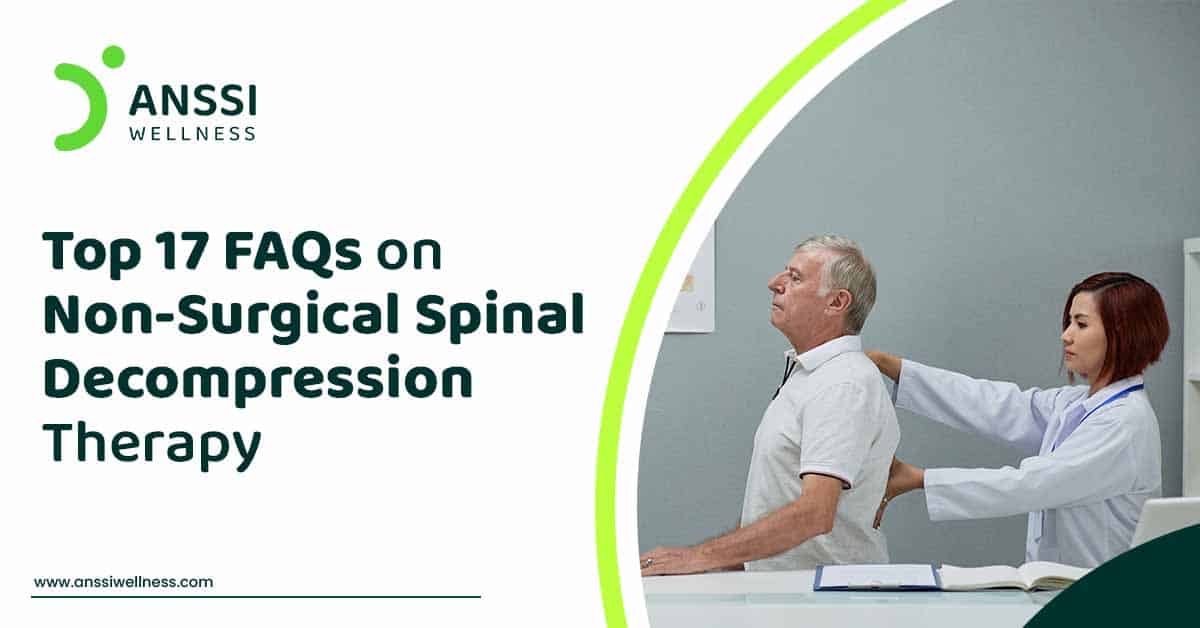
Top 17 FAQs on Non-Surgical Spinal Decompression Therapy

If you are experiencing chronic back, shoulder, or neck pain, non-surgical spinal decompression therapy could be the right effective option! However, is this the first time you are hearing about non-surgical spinal decompression therapy? If so, you might have many questions about this unique treatment that can help in pain relief and mobility improvement.
In this article, our team at ANSSI Wellness answers several common questions regarding non-surgical spinal decompression treatment. So, keep reading and educate yourself about the positive effects of this therapy and give us a call to find out if you are the right candidate.

What is non-surgical spinal decompression therapy?

You get musculoskeletal pain usually from the discs, muscles, or compressed nerves due to the pressure built up in these areas. Doctors use non-surgical decompression treatment to stretch the spinal column naturally in order to get rid of that compression or pressure off your spine.
If you haven’t found any relief from physiotherapy, medications, massage therapy, or steroids, make sure to try non-surgical spinal decompression treatment even if you’re recommended to undergo surgery. At times, surgery fails to resolve pain and mobility issues.

How does non-surgical spinal decompression work?

The patient is first allowed to lie down on a segmented computerized table. As a next step, each segment moves in a targeted way to slowly and gently stretch the spinal column. You may even experience a cracking or popping sound as the pressure gets removed.

Is spinal decompression therapy painful?

Spinal stretching might sound scary. However, this treatment does not cause any pain as it’s a natural, gentle, and effective mode of pain relief.

What conditions does this spinal decompression therapy treat?

Non-surgical spinal decompression therapy can treat varied conditions including:

  • Shoulder pain
  • Back pain
  • Neck pain
  • Leg pain
  • Pinched nerves
  • Tingling and numbness in upper and lower extremities
  • Muscle tension
  • Sciatica
  • Facet syndrome
  • Bulging or herniated disc
  • Degenerative disc disease
  • Spinal stenosis

Does spinal decompression therapy offer lasting results?

Addressing the cause of symptoms is the only effective way to achieve lasting results. This is where spinal decompression therapy helps. However, it’s not administered as a standalone treatment. Instead, this treatment is often added to a comprehensive treatment plan to achieve optimal results.
By stretching the spinal column, there will be a proper flow of nutrients and blood to the discs and soft tissues, which in turn improves healing. Furthermore, the possibility of recurring pain gets reduced.

How effective is non-surgical spinal decompression treatment?

The effectiveness of non-surgical spinal decompression therapy depends on the condition, duration of this treatment, and compliance with the post-care regimen.

Am I the right candidate to undergo non-surgical spinal decompression treatment?

To know if you’re the right candidate for this treatment, contact ANSSI Wellness. Our doctors will examine you thoroughly and confirm if this therapy works for you.

Are there any side effects?

No. As this treatment is non-surgical and drug-free, there is no risk of infection and you do not experience any side effects.

Why have I not heard of this therapy before?

Spinal decompression therapy is quite common in the US and UK, although it’s new in India. Instead of just advertising our health service, we rely on word of mouth to educate people about the effect of spinal decompression and its successful outcomes.

Can I drive home after treatment?

Yes. Patients can drive home after undergoing spinal decompression therapy.

Is there any research evidence to support the effect of spinal decompression therapy?

Yes. Studies reported that spinal decompression works for chronic back pain and neck pain that may require surgical intervention. By following the sessions and recommendations strictly, this treatment can keep you pain-free [1, 2].

  1. https://www.ncbi.nlm.nih.gov/pmc/articles/PMC2912793/
  2. https://pubmed.ncbi.nlm.nih.gov/31282394/

What can I expect?

After a session of non-surgical spinal decompression, you might feel as if you’ve had a workout where your spine will remain stretched out from the pressure. You can go back to your routine life after undergoing spinal decompression. However, it’s better to avoid twisting or heavy lifting that could put extra pressure on your spine.

How many sessions should you undergo?

Depending on the severity of the condition, you will have to undergo 20-30 sessions of spinal decompression therapy on a daily basis which lasts for 20-30 minutes per session. Most people will start feeling relief within 7-12 sessions on average. It’s too rare to find a patient’s condition getting worse.

Is spinal decompression therapy a one-stop solution to your pain?

Non-surgical spinal decompression therapy is recommended to treat the root cause of pain and not just mask the symptoms temporarily. Unless you re-damage your spine or skip post-treatment care, you do not have to undergo this therapy again. However, the protocol varies for every patient.

Who is ineligible to undergo spinal decompression therapy?

The following conditions or criteria may disqualify a patient for spinal decompression treatment. Here’s the list:

  • Patients above 70 years
  • Osteoporosis
  • Pregnancy
  • Severe obesity
  • Placement of rods or screws in the spine
  • Prior lumbar fusion within the last six months
  • Grade 3 and 4 spondylolisthesis
  • Lumbar spine fracture
  • Disc space infections
  • Aortic aneurysm
  • Abdominal cancer
  • Pelvic cancer
  • Metastatic cancer
So, make sure to consult the spinal decompression specialist to find out if you are the right candidate for this therapy.

Does spinal decompression work if surgery fails?

Yes. Most of the patients who have had surgery experience significant improvement by undergoing spinal decompression. However, it depends on the type of your medical condition and the surgery you have undergone.

Does spinal decompression work even if traction, physical therapy, and chiropractic fail?

Yes. The reason is traction, physical therapy, and chiropractic practices reduce the pressure within the spinal discs to as low as 40 mm Hg. However, spinal decompression reduces pressure up to -110 mm Hg3. However, make sure your doctor is experienced and you are treated on a high-quality spinal decompression table to ensure the best outcomes.

Final Thoughts

Would you like to experience what it can do for you to improve your quality of life? Eager to learn more about this treatment and see if it works for you? Contact us. At ANSSI Wellness, our doctors will diagnose your condition thoroughly and assess whether you are eligible to undergo non-surgical spinal decompression therapy and get rid of pressure on your spinal column so that you can lead a pain-free life.

ANSSI Wellness is totally committed to help you recover from your health issues. You are welcome to get in touch with us to enquire about the non-surgical spinal decompression therapy that might be able to assist you on your path to better health. Give us a call at +91 9004726844 or +91 9920936844 and we are here to provide assistance for people across the nation. Stay assured that we will assist you in taking the next step on your path to better health.

For more information about the benefits of non-surgical spinal decompression therapy, contact ANSSI Wellness at +91 9004726844 or +91 9920936844.
Yes, in many cases, the bulging disc symptoms go away after a period of time.

MRI is the best diagnostic test to detect herniated & bulging discs.

Massage can provide short-term relief from chronic back pain caused by a bulging disc.

Share

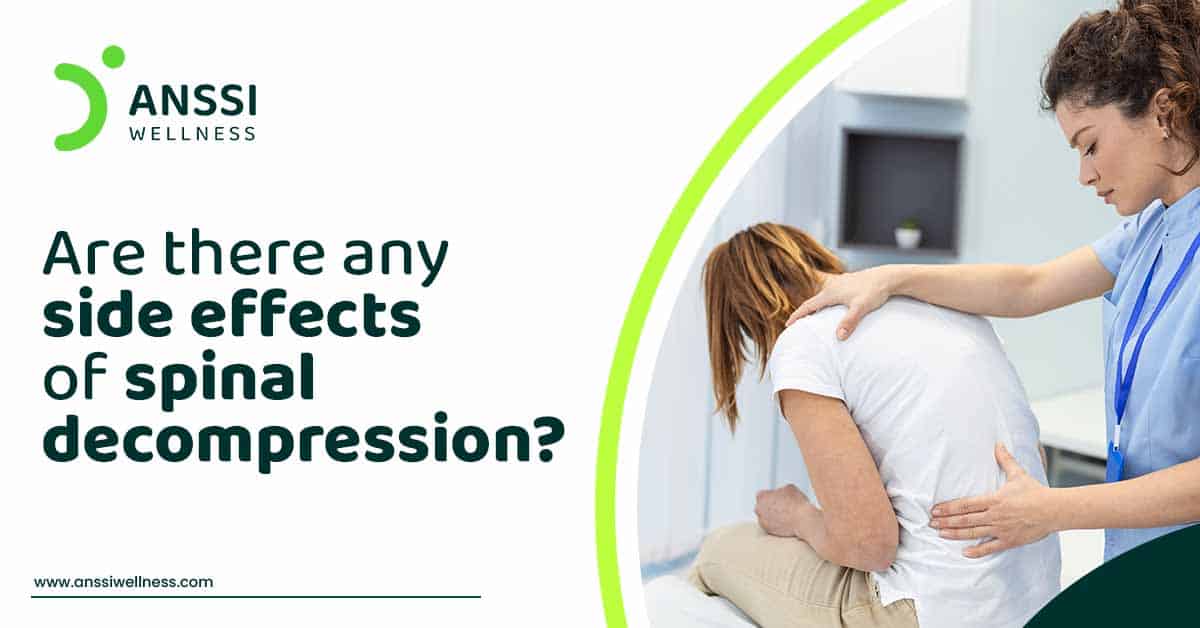
Are there any side effects for spinal decompression?

After discussing whether or not non-surgical spinal decompression is beneficial for your spine, you might be curious about any potential drawbacks. What exactly are they, if there are? This article aims to explain what to anticipate following spinal decompression therapy along with the potential side effects, if any.

What is the procedure for spinal decompression?

We ought to begin by answering how this therapy is carried out. A spinal traction, a specialized decompression table, is used to position the patient. The patient is then gently stretched at regular intervals, according to the treatment plan for each patient. The patient is fully clothed during the treatment, which only takes 30 to 45 minutes.

Patients with a wide range of neck and back issues have reported feeling better as a result of this therapy. Disc protrusions and bulges may be retracted by the spinal traction’s decompression pressure. Spinal decompression therapy can encourage blood flow and alleviate pressure from nearby nerves. Oxygen is brought with increased blood flow, which aids in healing.

Are there any potential drawbacks?

The quick answer to this question is ‘No’. No matter how minimally invasive a treatment, therapy, or procedure is, there will always be some side effects. However, most of the patients do not undergo any adverse side effects from spinal decompression treatment.

As the body adjusts to the decompression, the most common side effect is a few weeks of dull aches. The muscles in the back are stretched in a new way during spinal decompression. Some patients may experience the same soreness as they would after a particularly strenuous workout.

Spinal decompression can occasionally cause muscle spasms and pain in the patient’s arms and legs.

Do I need spinal decompression?

This non-invasive treatment beckons as an alternative to spinal decompression surgery. Even though non-surgical spinal decompression does not require significant recovery time, some patients may need four to six weeks for treatment to be finished before they experience lasting relief. This may be too long for some patients.
Spinal decompression therapy, which does not require surgery, is rapidly gaining popularity. The well-documented physical advantages include increased mobility, enhanced joint flexibility, and general pain relief. There is less of a chance of post-surgery infections if you choose non-surgical spinal decompression over invasive procedures. There is no additional prescription or use of painkillers for patients. Non-surgical Spinal Decompression provides natural, long-term pain relief after treatment is completed, whereas painkillers only reduce pain while it is present in the body. This treatment is safer, faster, and doesn’t require any downtime compared to the recovery times after surgery.
Even though non-surgical spinal decompression is safe, there are some people who should talk to their primary care doctor before they decide to get it:

  • Women who are pregnant
  • People with spinal degeneration or severe osteoporosis
  • Patients who have surgical implants (screws, rods, plates, etc.)
  • Patients who have suffered severe nerve damage, spinal fusion surgery patients, tumors, or spinal fractures
The patient may be asked to have screening tests to rule out any of the conditions listed above in order to avoid as many risks as possible. If you have any questions or concerns regarding spinal decompression, please do not hesitate to ask the staff at ANSSI Wellness, India.

Contact ANSSI Wellness to take the next step in improving your health

ANSSI Wellness is totally committed to help you recover from your health issues. You are welcome to get in touch with us to enquire about the non-surgical spinal decompression therapy that might be able to assist you on your path to better health. Give us a call at +91 9004726844 or +91 9920936844 and we are here to provide assistance for people across the nation. Stay assured that we will assist you in taking the next step on your path to better health.

For more information about the benefits of non-surgical spinal decompression therapy, contact ANSSI Wellness at +91 9004726844 or +91 9920936844.
Yes, in many cases, the bulging disc symptoms go away after a period of time.

MRI is the best diagnostic test to detect herniated & bulging discs.

Massage can provide short-term relief from chronic back pain caused by a bulging disc.

Share

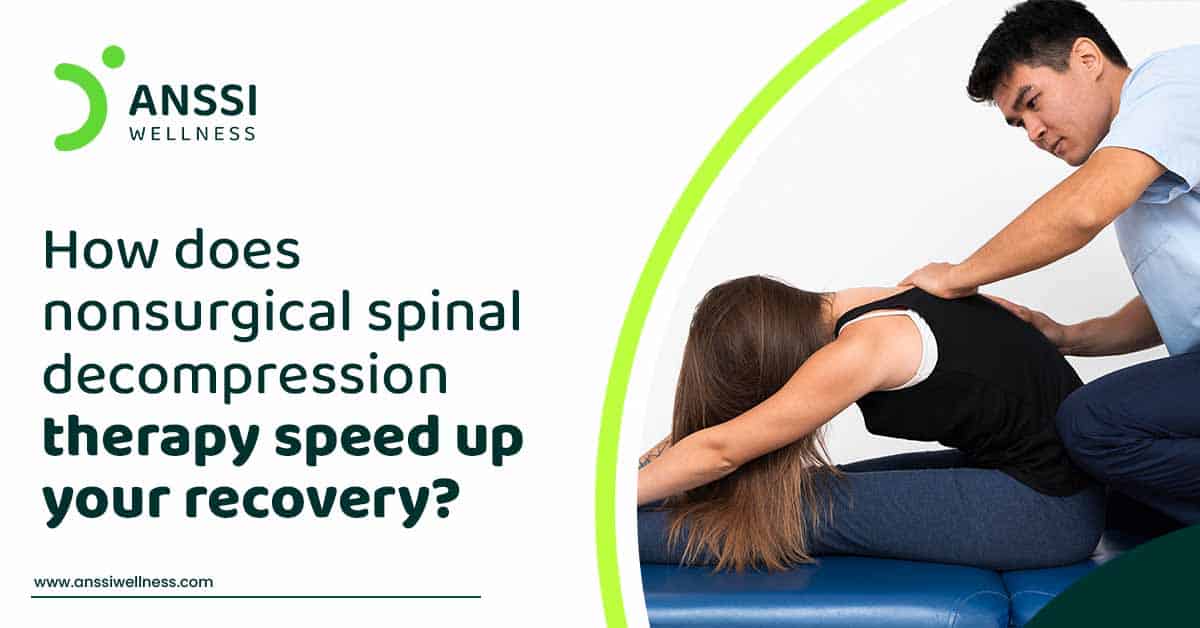
How does nonsurgical spinal decompression therapy speed up your recovery?

Do you experience shooting pain in your neck or lower back? Check if it’s herniated disc! Would you like to know how spinal decompression therapy can help speed up your recovery? Keep reading this article to understand the causes and symptoms of a herniated disc and how spinal decompression really helps.

What is a herniated disc?

Herniated disc issue occurs as a result of your spinal disc being degenerated due to age-related wear and tear. Apart from wear and tear, factors such as loss of spinal fluid, tiny crack development in the disc, lifting heavy objects with your back, trauma, twisting and turning in an awkward position, and obesity cause herniated discs.

The major symptom of the herniated disc is a shooting pain in the neck that passes through the shoulder, arms, buttocks, and legs especially while moving in certain positions. Other symptoms include numbness or tingling in the affected body parts, muscle weakness, and restricted range of motion.

Traction therapy

Traction therapy is a dated technology where slings, rope, and pulleys are used to pull the patient in opposite directions mechanically to create a stretch. As it’s not possible to focus on a specific spinal area, even the intensity of force is also not monitored easily. Hence, there is a possibility of stretching nearby areas as well along with muscle guarding (painful muscle spasm) due to slack and grip. This process involves only the overall stretching and not just the target region. Physical therapists use traction therapy.

Why should you opt for spinal decompression treatment?

Spinal decompression therapy is a conservative treatment method widely employed for people with a herniated disc. Unlike other conservative therapeutic modalities such as medications, physical therapy, and steroid treatment, spinal decompression focuses on healing the root cause of pain rather than fixing the symptoms temporarily. It is a non-invasive, drug-free, and needle-free treatment.

All you have to do is just lie down on the spinal decompression table. Once you lie down, it will stretch out your neck or lower back thereby developing a negative pressure, otherwise called the vacuum effect, in your spine. We are well aware that fluids always move from higher pressure to lower pressure. Hence, the built-up vacuum helps in fluid movement back to the affected herniated disc. This easy movement of the spinal fluid reduces the pressure created on the pinched nerves, thereby causing a significant reduction in pain.
Thus, you can experience significant long-lasting relief from pain naturally and quickly. However, make sure to follow the recommended number of sessions without fail. As spinal decompression treatment involves mechanical movements only, there are no side effects. You can repeat it as much as possible depending on the severity and duration of symptoms.

Is there any research evidence to support the effect of spinal decompression therapy on herniated discs?

Yes. Several studies highlight the use of spinal decompression therapy with physiotherapy in reducing pain significantly while improving the quality of life. For pain reduction, the height of the discs has been increased in order to reabsorb more spinal fluid back into the affected herniated disc portions. And this condition has been achieved by using the combination of core stabilization exercises and spinal decompression therapy.

Here is the list of evidence that highlights how spinal decompression therapy can speed up the recovery phase:

  • A 2015 research study reported that combinational therapy (spinal decompression + general traction) is effective in improving pain, disability, and straight leg raise (SLR) ability of patients with a herniated disc. They underwent this treatment thrice a week over 4 weeks.
  • A 2010 randomized trial study reported that non-surgical spinal decompression treatment is associated with pain reduction as well as an increase in disc height within 6 weeks. The researchers confirmed that the pain could be reduced due to the restoration of spinal disc height so that the fluid can pass through the affected parts.
  • Another 2017 research study also revealed that spinal decompression therapy, in combination with physiotherapy, can effectively treat lumbar herniated discs by reducing pain, improving functional restoration, and reducing the thickness of herniation.
  • The above-listed studies reported that the combinational treatment (exercise therapy + spinal decompression) was more effective than exercise therapy alone.
    Final Thoughts Did your doctor recommend surgery as the only last resort to get rid of herniated disc pain? Make sure to try spinal decompression therapy. Schedule an appointment with ANSSI Wellness for an initial consultation and our medical team will determine if you are eligible for spinal decompression therapy. In case you are found eligible, our doctors will start your treatment right away. Contact us to find out how spinal decompression therapy helped our patients to experience significant relief from symptoms, compared to other treatment modalities.

    References

Are Both Spinal Decompression And Traction Therapy The Same?

Introduction

Nowadays, people have started looking for alternative non-invasive methods to get rid of chronic back and neck pain, rather than opting for surgery. If conservative modalities such as medications and steroid treatment do not work due to the occurrence of side effects, here come alternative methods like physical therapy, chiropractor practice, etc. While introducing new treatments like non-surgical spinal decompression to patients, they immediately ask whether it is as same as traction therapy. This article aims to explore the fact behind this question. So, stay tuned! Comparing multiple treatments is like comparing the cart to a bicycle and then to a car. Although these are different forms of transport, can they be the same? No way! So, let’s go through the difference between traction therapy and non-surgical spinal decompression therapy.

Traction therapy vs. non-surgical spinal decompression therapy:

Research studies revealed that the controlled mechanical process of spinal stretching and relaxation can deliver faster pain relief. It’s the intra-disc high pressure that causes the spinal disc to bulge or slip. To get rid of that pressure, chiropractors or physiotherapists use spinal decompression or traction therapy respectively.

Traction therapy

Traction therapy is a dated technology where slings, rope, and pulleys are used to pull the patient in opposite directions mechanically to create a stretch. As it’s not possible to focus on a specific spinal area, even the intensity of force is also not monitored easily. Hence, there is a possibility of stretching nearby areas as well along with muscle guarding (painful muscle spasm) due to slack and grip. This process involves only the overall stretching and not just the target region. Physical therapists use traction therapy.

Non-surgical spinal decompression therapy

Spinal decompression therapy, unlike traction, is performed on a computerized table that has multiple segments. Hence, it’s possible to change the angles of the application while focusing on specific discs. You can even separate the table into parts in order to stretch and release either the neck (cervical) region or the lower back (lumbar) region.
Since the table is computerized, the force applied will be constant via 7 sensors, thereby overcoming muscle guarding. There will be zero chance of human error as well. Even the force application is monitored automatically where the release occurs in every millisecond interval. The patient has to just lie on the computerized table by keeping the face upwards in the supine position. Furthermore, the table has 8 varied programs that offer multiple stretch protocols to both the posterior and anterior aspects of the spine region.
Thus, spinal decompression can reduce intradiscal pressure, increase circulation, decrease inflammation, improves mobility, and experience a positive physiological change. During the single decompression treatment, all it does is just hold and release 50% of the force accurately and repeat again.
Since the decompression table allows doctors to target treatment areas in multiple dimensions, it is possible to customize the treatment according to the unique needs. All it involves is just changing the amount of stretch, the number of stretches and relaxation, and the time it takes to reach the peak stretch and relaxation stage. These 3 major options can customize the session according to the age, weight, and severity of the condition. Chiropractors use spinal decompression therapy.

Difference between traction and spinal decompression in a nutshell

Simply put, traction means the application of gentle tension upon the spinal region for more space in order to relieve pressure in between the discs. However, spinal decompression involves both gentle tension application along with intermittent controlled stretching and relaxation for tension relief. It basically alternates between stretching and relaxation.

In a nutshell, traction is the act of pulling or being pulled; whereas, spinal decompression is the act of pressure relief.

Final Thoughts

To know more about the differences between spinal decompression and traction treatment, schedule an appointment to determine if you are the right candidate for spinal decompression therapy. The spinal decompression machine used at ANSSI Wellness offers advanced computerized control for safe treatment. Furthermore, our non-surgical spinal decompression therapy can effectively help ease your pain without resorting to surgical procedures.


For more information about the benefits of non-surgical spinal decompression therapy, contact ANSSI Wellness at +91 9004726844 or +91 9920936844.
Yes, in many cases, the bulging disc symptoms go away after a period of time.

MRI is the best diagnostic test to detect herniated & bulging discs.

Massage can provide short-term relief from chronic back pain caused by a bulging disc.

Share

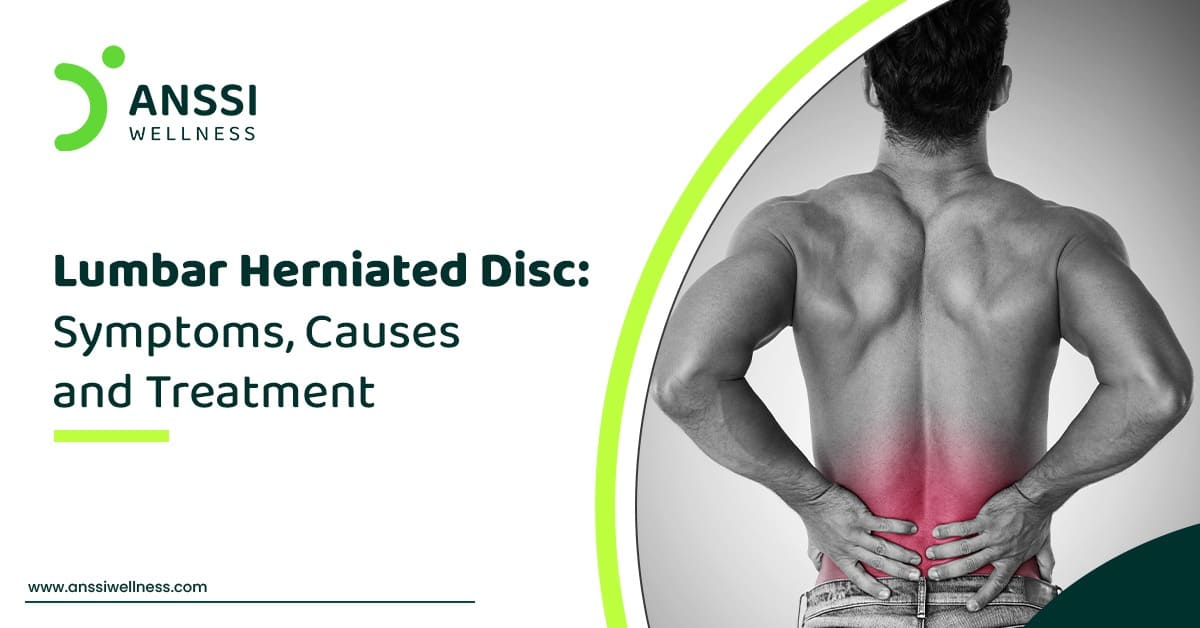
Lumbar Herniated Disc: Symptoms, Causes and Treatment

Introduction

Experiencing chronic pain in the lower back region? It could be due to a lumbar herniated disc! Read this blog for a detailed overview of lumbar herniated disc condition, its symptoms, causes and treatment options. Let’s get started!

What is a lumbar herniated disc?

To begin with, the spine present in the lower back region is called the lumbar spine. When a spinal disc in the lumbar spine region becomes herniated (abnormal protrusion/rupture), it’s termed a lumbar herniated disc. Lumbar herniated disc is quite a prevalent condition among the masses since the lower back area of the spine is the most common area where herniated disc occurs.

What are the symptoms of a lumbar herniated disc?

Before checking out the symptoms, it’s important to note that around 90% of individuals with a lumbar herniated disc don’t experience any symptoms or pain even 6 weeks after the condition develops in their body. Having said that, some people with a lumbar herniated disc experience excruciating pain in the lower back region due to the herniated disc pressing against a nearby nerve and inflaming it. Following are the common symptoms of a lumbar herniated disc:

  • Constant leg pain
  • Radiating nerve pain in the back of the leg
  • Numbness, weakness, tingling sensation in the leg, foot, toes
  • Stiffness in the lower back area, accompanied by dull pain
  • Pain experienced after sitting or standing for an extended period
  • Pain felt after bending/hunching forward in the waist region

What are the causes of a lumbar herniated disc?

Common risk factors or causes that contribute to a lumbar herniated disc condition are:

  • Having age between 35 – 50 years
  • Constantly doing jobs involving heavy lifting or physical labour
  • Men are around twice more likely to develop a lumbar herniated disc than women
  • Obesity increases the risk of developing a lumbar herniated disc
  • Smoking accelerates disc degeneration & hinders the healing process, increasing the possibility of lumbar disc herniation
  • Having a family history of spinal disc wear & tear enhances the possibility of a lumbar herniated disc

Nonsurgical treatments for a lumbar herniated disc

Opting for nonsurgical treatments for spinal disc conditions is the best thing to do because spine surgery involves a wide range of risks, potential side effects & complications.

Physical therapy

Consulting a physiotherapist to learn strengthening exercises for the lower back region & abdominal muscles can help relieve pain caused by a lumbar herniated disc.

Holistic therapies

These therapies generally focus on the body, mind & spirit to help support the healing process and overall health of a person.

Complications with Surgery

As mentioned earlier, spine surgery for a herniated disc or any other spinal condition is a very risky procedure with a lot of potential complications. These complications comprise:

  • Bleeding
  • Infection
  • Nerve injury
  • Adverse body reaction to anaesthesia
  • Dural tear (tear of the sac surrounding the nerves)
  • Hematoma (pool of largely clotted blood) leading to nerve compression
  • Recurring disc herniation
  • Need for another surgery

Conclusion

A lumbar herniated disc can be a minor or major condition, depending on whether the disc herniation affects a nearby nerve or not. If you are suffering from persistent lower back pain, then schedule a Free Consultation with our Spine Specialists at your nearest ANSSI Wellness Centre. Click here to book an appointment:

Yes, in many cases, the bulging disc symptoms go away after a period of time.

MRI is the best diagnostic test to detect herniated & bulging discs.

Massage can provide short-term relief from chronic back pain caused by a bulging disc.

Share

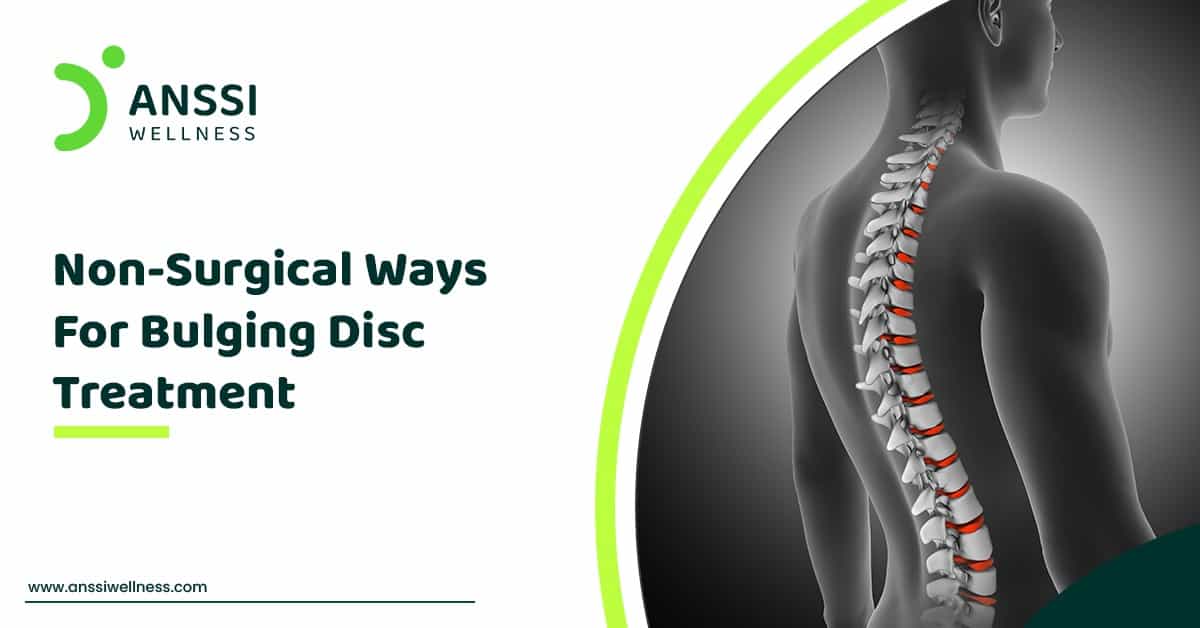
Non-Surgical Ways For Bulging Disc Treatment

Introduction

Bulging disc is a common condition, particularly in older adults, wherein age-related wear and tear is the main reason. This condition involves a spinal disc ceasing its original shape & expanding, placing undue pressure on a surrounding nerve root, resulting in back or neck pain. Today, we discuss the difference between a bulging disc and herniated disc, bulging disc symptoms, causes of a bulging disc and non-surgical treatments for bulging disc.

What’s the Difference between Bulging Disc & Herniated Disc?

A herniated disc is basically the latter stage of a bulging disc condition. When left untreated, a bulging disc is likely to progress into a herniated disc which is a more severe form of spinal disorder. As per the American Association of Neurological Surgeons, the only way to obtain an accurate diagnosis of a bulging/herniated disc is via the symptoms an individual is experiencing, his/her medical history, physical examination, or a diagnostic test.

What are the symptoms of a bulging disc?

With there being an endless number of reasons for back pain, diagnosing a bulging disc as the reason behind it is quite difficult unless an imaging test is conducted straightaway. Moreover, different individuals might experience symptoms of a bulging disc differently. Having said that, the following are the common symptoms of a bulging disc:

  • Back pain (especially in the upper back region)
  • Pain arising in the upper back area, radiating to the chest/stomach
  • Tingling
  • Numbness
  • Burning sensation
  • Muscle spasms
  • Weakness
  • Walking issues

Causes of a Bulging Disc

The common causes of a bulging disc are:

  • Degenerative disc disease leading to spinal osteoarthritis
  • Back injury or strain
  • Improper posture
  • Obesity
  • Inactivity
  • Smoking

Non-Surgical Treatment for Bulging Disc

Depending on the severe nature of the bulging disc and the accompanying symptoms, different non-surgical treatment options can provide temporary or long-term pain relief. Following are the non-surgical treatment alternatives for bulging disc:

Non-Surgical Spinal Decompression

Physical Therapy

Doctors may prescribe physical therapy comprising exercises, massage, etc. to help boost mobility & range of motion, in addition to enhancing the strength of the back muscles. A qualified physical therapist can suggest the best & suitable exercises for you as per your condition to help reduce back pain by alleviating pressure on the nerve.

Heat or Cold Therapy

In mild cases of bulging disc, ice packs and heating pads can help relieve pain & inflammation, helping manage the condition in a conservative manner.

Conclusion

An early diagnosis and subsequent treatment for a bulging disc is key to avoiding it progressing into a herniated disc. If you are experiencing the above-mentioned symptoms of a bulging disc, then book an appointment with our spine experts at your nearest ANSSI Wellness Centre:

Yes, in many cases, the bulging disc symptoms go away after a period of time.

MRI is the best diagnostic test to detect herniated & bulging discs.

Massage can provide short-term relief from chronic back pain caused by a bulging disc.

Share

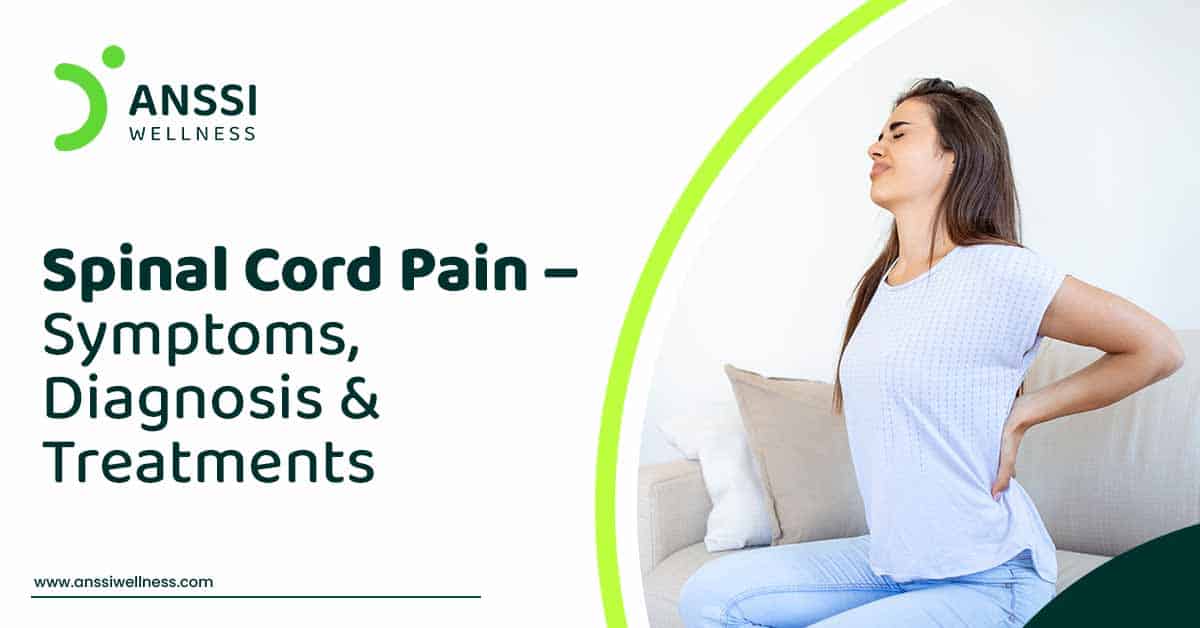
Spinal Cord Pain – Symptoms, Diagnosis & Treatments

Having a hard time dealing with spinal cord pain? Read this comprehensive blog to get a clear idea of the common symptoms of spinal cord pain, various scans that may be conducted for its diagnosis and the subsequent treatment options.

Symptoms of spinal cord pain

The most common symptoms of spinal cord pain include:

  • Unable to keep a normal posture because of pain & stiffness
  • Experiencing muscle spasms at rest or while performing an activity
  • Stiffness in the lower back region, leading to decreased range of motion
  • Pain radiating into the hands and legs
  • Numbness and tingling sensation in the arms

Diagnosis of spinal cord pain

Spinal cord pain that persists for over two weeks is usually due to an underlying condition that needs to be diagnosed. Following are some of the common diagnostic tests prescribed by doctors for detecting the reason behind spinal cord pain:

X-Ray

An x-ray of the spine can display the vertebrae structure & outline of the joints, helping doctors identify potential reasons behind the spinal cord pain which can include fractures, tumours, infections, etc.

MRI

With the help of an MRI, doctors can examine the spinal cord, nerve roots and nearby regions, in addition to any degeneration, enlargement or tumours. Moreover, an MRI with contrast can help diagnose infections & new compression fractures without spinal displacement.

CT Scan with 3D Reconstruction

This diagnostic test generates images that display boney detail in a much-enhanced manner than any other scan besides also showing nerves & soft tissue.

Electromyography or Nerve Conduction Velocity Testing

Also referred to as EMG/NCV testing, these are electrodiagnostic tests that help calculate the electrical activity of nerves & muscles, They assist in detecting the location of a pinched/compressed nerve that may be causing the spinal cord pain.

Treatments for spinal cord pain

Mild spinal cord pain is generally a result of muscle sprains or strains and can be successfully treated with heat & ice therapy combined with adequate rest. Physical therapy may also help in some cases. However, spinal cord pain that lasts for more than two weeks necessitates medical intervention for detecting the cause behind it. Irrespective of the scan results and the underlying condition detected, you will have two treatment options to choose from: Surgical & Non-Surgical Treatment.

Surgical Treatment

As the name suggests, surgical treatment involves surgery which comes with a lot of potential risks, complications and side effects such as:

  • Blood clots
  • Infection
  • Dural tear
  • Cerebrospinal fluid leakage
  • Sores on the face & vision loss
  • Symptoms that are repetitive/persisting
  • Nerve injury & paralysis
  • Death

Conclusion

Spinal cord pain that radiates into the hands, arms, legs, chest, etc., is a major cause of concern and requires immediate medical attention for ensuring quick diagnosis & appropriate treatment. If you have been suffering from chronic pain that is interfering with your daily life, then get in touch with the ANSSI Spine Specialists for Expert Consultation. Click on this link to schedule an appointment at an ANSSI Wellness Centre near you:

Spinal pain that persists for over two weeks is considered to be potentially serious.

Sleeping on the back or side is generally recommended for people experiencing back pain.

Spinal cord pain can be caused by a variety of reasons: from muscle strains & sprains to chronic conditions such as slipped disc, spondylosis, sciatica, etc.

Share

Neck Pain and Headache: Causes & How to Prevent It

Introduction

Neck pain can be a very annoying condition and have a negative impact on day-to-day activities. Add to it a recurring headache, and your day is sure to get spoiled! Many different conditions can be the reason behind your neck pain and headache. However, while some conditions may originate as a neck issue and lead to a headache, other instances may involve a headache evoking neck pain. Through this blog, we will explore both in detail. Let’s begin!

Why does neck pain cause headaches?

Headaches that arise from a neck condition are generally chronic in nature and differ in type as per the underlying cause. Since the cervical (connected with the neck) nerves transmit pain signals, neck issues can provoke cervicogenic headaches, resulting in neck pain, stiffness, nausea, blurred vision, etc. Similarly, a pinched nerve in the neck can initiate severe headaches caused by a condition known as occipital neuralgia.

Causes of neck pain

Various factors such as neck muscle/ligament strains, injuries and neck conditions can cause neck pain. Following are the common causes of neck pain:

  • Consistent improper posture
  • Desk jobs
  • Stiffness in the neck muscles
  • Neck injuries
  • Persistent phone usage with poor neck posture
  • Inappropriate sleeping positions
  • Herniated or bulging disc
  • Pinched nerve in the neck

Types of headaches that may cause neck pain

Specific kinds of headaches can cause pain to radiate into the neck region. Here are some examples of headaches that cause neck pain:

Migraine

Migraine is basically a recurring headache that is characterised by medium to intense pain on one particular side of the head. It may also cause symptoms like nausea & sensitivity to bright light and/or loud sounds. Neck pain prior to a migraine attack or during it is pretty common. Following are a few triggers that are known to cause migraine headaches:

  • Stress
  • Hormone fluctuations
  • Climate changes
  • Regularly skipping meals

Temporomandibular Joint (TMJ) Disorders

TMJ headaches are mild aches that begin around the temple region of the head and the Temporomandibular Joint. They may sometimes be confused as ear pain. TMJ disorders that cause headaches are usually a culmination of multiple factors such as:

  • Genetics
  • Degeneration of muscles or ligaments
  • Injury to the TMJ
  • Dislocation of the TMJ
  • Muscle fatigue/weakness in the TMJ
  • Arthritis of the jaw

Neck problems that can cause headaches

Certain kinds of headaches can be the consequence of neck issues like injury, inflammation, chronic neck tension, etc.

Injury

Injury to the neck muscles or ligaments can cause cervicogenic headaches, also known as secondary headaches.

Inflammation

Inflammation of the muscles, nerves, tendons or joints can cause cervicogenic headaches.

Chronic Neck Tension

Muscle contractions in the neck area, face or scalp due to strain, stress, tiredness, etc., can cause headaches.

Treating a pinched nerve in the neck

A pinched nerve in the neck is generally treated via the following treatments:

Physical Therapy

Muscle strengthening & stretching exercises prescribed to you as per the location of the pinched nerve in your neck can help boost the strength of neck muscles, enhance the range of motion and alleviate neck pain.

Injections

Some doctors may recommend taking steroid injections to reduce inflammation and pain till the time the nerve is expected to recover within.

Conclusion

Treatment for neck pain & headache differs from person to person depending on various factors like the underlying condition causing it, whether the condition is severe or mild, and current symptoms. If you are experiencing neck pain & headache and suspect a spinal disorder to be the reason behind it, then book a Free Consultation with our Spine Experts. Click here to schedule an appointment:

If your headaches start as mild pain in the neck and radiate upwards from the back of the head, then it’s likely that a neck issue is the reason behind it.

Share

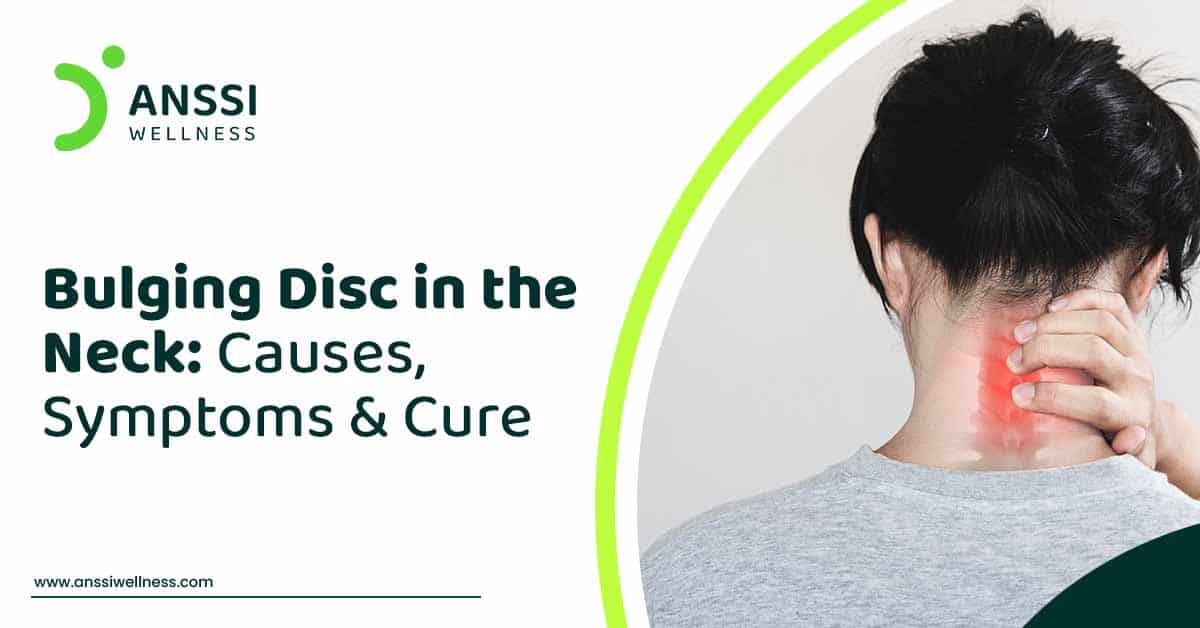
Bulging Disc in the Neck: Causes, Symptoms & Cure

A bulging disc in the neck can lead to severe pain in the neck, shoulders, arms, back and chest areas. It may also result in weakness/numbness in the arms and fingers. Let’s get to know about this condition in detail including its various causes, symptoms and treatment options in this informative blog.

Causes of a bulging disc in the neck

A bulging disc in the neck can be caused by:

  • Age-related wear and tear
  • Degenerative disc disease
  • Intervertebral disc disease
  • Incorrect posture for a long period of time
  • Obesity or being overweight
  • Lack of physical activity
  • Strain or acute injury due to lifting weights with poor form
  • Smoking

Symptoms of a bulging disc in the neck

The common symptoms associated with a bulging disc in the neck include:

  • Pain in the neck, shoulders & back regions
  • Pain experienced when moving the neck
  • Numbness or tingling sensation in the arms, shoulders, or fingers
  • Decreased range of motion

How to cure a bulging disc in the neck?

Depending on the severity of the condition, a bulging disc in the neck can be treated by regularly performing specific neck strengthening & stretching exercises or by undergoing the non-surgical spinal decompression treatment.

Exercise

Practising exercises stipulated by a physical therapist after examining your neck condition may help relieve symptoms and pain caused by a bulging disc in the neck. These exercises will generally include a combination of gentle stretching and muscle-bolstering exercises.

The physical therapist will also typically guide regarding enhancing posture & form when performing the exercises in order to avoid potential injuries and worsening of the existing condition.

Conclusion

Many people misunderstand a bulging disc in the neck as a cervical herniated disc. It’s essential to comprehend the difference between these two conditions.

Simply speaking, a bulging disc in the neck happens when a spinal disc slips from its original position in the neck whereas a cervical herniated disc is basically the progression & worsening of the bulging disc in the neck condition.

Both of these neck conditions are more prevalent in older adults due to age-related wear & tear. If you have been diagnosed with any of these two conditions or are experiencing symptoms related to them, then get in touch with our spine specialists for a detailed consultation.

Click here to schedule an appointment at your nearest ANSSI wellness centre:

Yes, a bulging disc in the neck is among the most serious conditions related to the neck region.

A disc bulge in the neck area can be caused by a variety of reasons, with the most common being age-related wear & tear.

A bulging disc in the neck could be fairly painless or can cause severe pain in the neck, shoulders, chest, back and arms.

Share
Share
Open chat
1
Book Appointment Here
Scan the code
Hello
Can we help you?
Call Now Button
WhatsApp