Pinched Nerve In Neck – Symptoms, Diagnosis and Treatment

Experiencing neck stiffness, and pain in the back, arms or legs? You may well have a pinched nerve in the neck! Know about this neck condition in detail in this exhaustive blog comprising causes, symptoms, diagnosis, treatment options and more.
What is a pinched nerve?

A pinched nerve is basically an irritated or compressed nerve. When it occurs in the neck region, it’s referred to as cervical radiculopathy. A nerve can become irritated or compressed by nearby tissue, causing pain, tingling sensation, weakness and numbness in surrounding areas of the body.

What are the symptoms of a pinched nerve in the neck?

The common symptoms associated with a pinched nerve in the neck are:

  • Mild or sharp pain in the neck, back, arms & legs
  • Tingling or burning sensation
  • Feeling that the hand/arm/foot is unresponsive
  • Muscle fatigue
  • Numbness

How common is a pinched nerve?

A pinched nerve is a relatively common condition, with people of all ages affected by it. However, older adults above age 50 are more susceptible to it courtesy of age-related degeneration of various body parts and different types of arthritis.

How to diagnose a pinched nerve?

A physical examination of the neck, arms, shoulders & hands is generally conducted by a doctor to help detect a pinched nerve. Specific movements of the neck & arms and the pain caused by them also assist in the diagnosis of a pinched nerve and its source.

Tests

There are a number of diagnostic tests that could be conducted for detecting a pinched nerve. Let’s check them out in brief:

The Spurling Test

This test comprises neck extension, rotation of the head to the specific side where the symptoms are being experienced, and exerting mild pressure on the head from top to bottom.

X-Ray

By generating images of the alignment of the vertebrae in the neck, an x-ray can help identify a pinched nerve in the neck region. It can also display the narrowing of the disc spaces & foramen between the vertebrae.

CT Scan

A CT scan may help detect a pinched nerve in the neck by providing more detailed images of the spine & bones in the neck area as compared to an x-ray.

MRI Scan

A doctor can view detailed images of the soft tissues, vertebrae & nerves in the neck region with an MRI. It can help understand the severity of the nerve compression, diagnose a herniated disc as the potential reason and detect any damage to the spinal cord.

EMG

EMG stands for Electromyography. It’s a diagnostic test that is used to calculate the speed of sending electrical impulses along a nerve. It helps assess whether a specific nerve or group of nerves are functioning in a normal manner, thus assisting in identifying a pinched nerve in the neck.

Will a pinched nerve go away on its own? How long does it take?

In the majority of cases, a pinched nerve may go away on its own after a period of around 4-6 weeks.

What are the causes of a pinched nerve in the neck?

Research studies have found age-linked wear and tear to be the main cause of a pinched nerve in the neck.

Other common causes comprise:

  • Heavy weightlifting on a regular basis
  • Frequent usage of driving equipment which vibrates
  • Playing golf
  • Diving

How is a pinched nerve in the neck treated?

In the case that a pinched nerve in the neck doesn’t go away in 4-6 weeks with adequate rest, then medical intervention is necessary for alleviating the pressure on the nerve.

Non-surgical treatments are typically recommended as they don’t involve the high risks involved in surgical treatments. The most popular non-surgical treatments include:

Ice and heat therapy

Applying ice and heat to the area with swelling should help ease the symptoms caused by a pinched nerve in the neck and provide temporary pain relief. Follow the instructions of the doctor with regard to using ice or heat therapy.

Conclusion

A pinched nerve in the neck is a painful condition that is more prevalent in men than women and affects people from the age group of 50-54 the most. Early diagnosis is crucial to avoid the worsening of the condition and subsequent complications. Are you experiencing symptoms of a pinched nerve in the neck? Contact our spine experts at the earliest for highly valuable guidance and consultation. Click here to book an appointment at your nearest ANSSI wellness centre:

Yes, pinched nerves generally go away on their own within 4-6 weeks with sufficient rest.

With the Non-Surgical Spinal Decompression Treatment, a pinched nerve in the neck can be treated in just a few weeks.

Sleeping on the side or back is usually advised for people suffering from pain due to a pinched nerve in the neck.

Share

Herniated Disc in Neck: Symptoms, Causes, Treatment

Diagnosed with a herniated disc in the neck? This blog will educate you on all the vital information about this condition, including what is a herniated disc in the neck, common symptoms, causes, preventive measures, diagnosis & best treatment alternatives. Let’s begin!

What is a herniated disc in the neck?

A herniated disc is basically a slipped disc or ruptured disc. When discs in the neck region become herniated, they are referred to as cervical herniated discs. Disc herniation is a process wherein the degeneration of the disc results in the soft inner gel leaking back into the spinal canal. On reaching the spinal canal, the gel then exerts pressure on the nerve. This leads to pain radiating down the nerve, culminating in sciatica or leg/arm pain.

What are the most common herniated disc in neck symptoms?

Some of the common symptoms of a herniated disc in the neck include:

  • Mild to severe neck or back pain
  • Pain, weakness/numbness or tingling sensation in the neck, shoulder, back, arms & legs
  • Having issues maintaining balance & coordination while walking

What causes a herniated disc in the neck?

A herniated disc in the neck may be caused by:

  • Age-related wear & tear of discs
  • Incorrect posture for a consistent period of time
  • Sudden awkward movement leading to strain & damaged disc
  • Injury or trauma to the disc
  • Family history of a herniated disc in the neck

How to diagnose herniated disc in the neck?

Diagnosis of a herniated disc in the neck is generally made by assessing past medical history and conducting a physical examination of the neck, arms & lower body along with diagnostic tests like X-rays, MRI, CT scans, etc.

What is the best treatment for a herniated disc in the neck?

Conservative treatment options like avoiding awkward neck positions, physical therapy and non-surgical spinal decompression treatment can help treat a herniated disc in the neck without having to undergo surgery.

Avoiding painful positions

Refraining from painful neck or back positions when combined with regular exercise and maintaining an appropriate posture & healthy body weight can help treat a herniated disc in the neck.

Physical therapy

Specialised stretching and strengthening exercises designed as per the severity of your neck condition can help reduce the pain caused by a herniated disc.

How to avoid herniated disc in the neck?

The best method by which you can avoid a herniated disc in the neck region is by exercising your neck muscles regularly and maintaining a correct posture and a healthy weight.

Conclusion

It’s important to be aware that herniated discs are a pretty common condition, with people aged 35 to 55 years at a higher risk of developing this condition. If you are experiencing any of the symptoms mentioned above, then contact our spine experts at the earliest for an extensive consultation. Click here to book your appointment:

FAQs

A herniated disc in the neck that interferes with your daily activities should be a point of concern.

Non-surgical spinal decompression is the best treatment by which you can cure a C5 C6 herniated disc without surgery.

Besides neck pain, numbness and tingling/burning sensation in the neck region are common symptoms of a herniated disc in the neck C5 C6.

Share

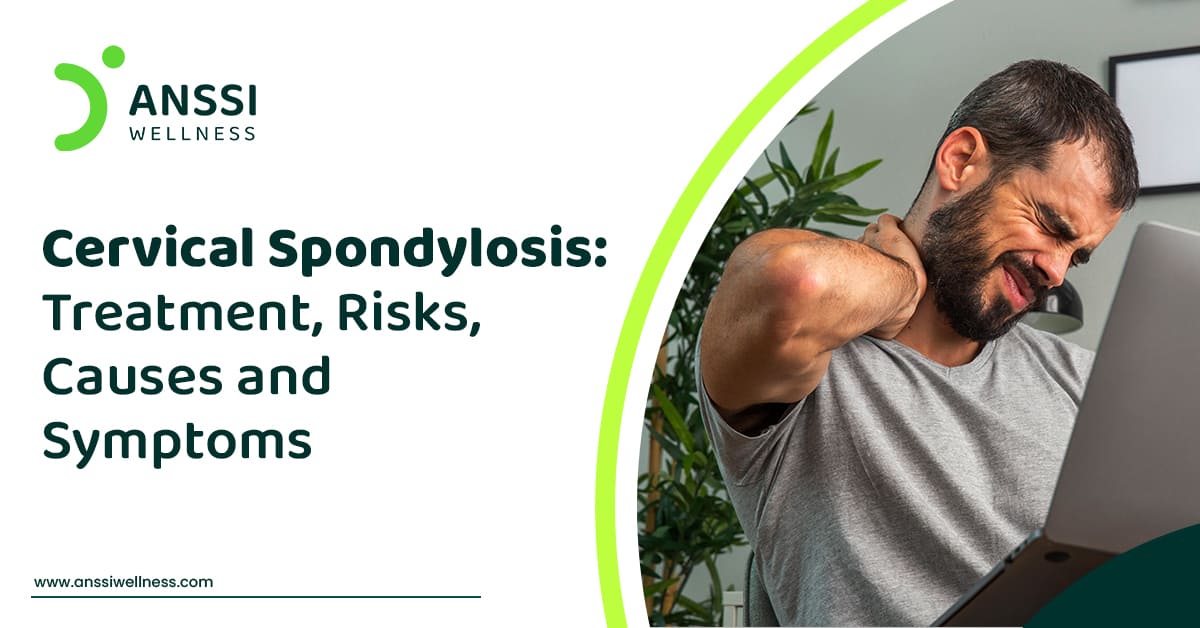
Cervical Spondylosis: Treatment, Risks, Causes and Symptoms

Suffering from cervical spondylosis? Want to know in detail about this neck condition? Read this highly informative blog to get a detailed overview of what is cervical spondylosis, its risk factors, causes, common symptoms, cervical spondylosis treatment options & preventive measures. Let’s get started!

What is cervical spondylosis?

A very common condition in senior citizens, cervical spondylosis is a general term used for age-related wear & tear that primarily affects the spinal discs in the neck region. It basically comprises the natural deterioration of discs, ligaments, cartilage & bones in the neck. This typically results in neck stiffness, pain and related symptoms. In chronic cases, cervical spondylosis may comprise a herniated disc, bone spurs or pinched nerves.

Who is most at risk of getting cervical spondylosis?

Following are the risk factors associated with cervical spondylosis:

  • Age above 60 years
  • Family history of cervical spondylosis
  • Long-term neck strain
  • Prior neck injury or trauma
  • Regular heavy lifting
  • Cigarette smoking
  • Anxiety or depression
  • Regular exposure to a large amount of vibration, such as bus/truck drivers

What causes cervical spondylosis?

Also sometimes referred to as arthritis/osteoarthritis of the neck, cervical spondylosis may be caused by wear & tear related changes like:

  • Discs degeneration
  • Herniated discs
  • Dehydrated discs
  • Bone spurs
  • Ligaments stiffness
  • Osteoarthritis

Most common cervical spondylosis symptoms

Many individuals with cervical spondylosis don’t experience any symptoms at all. In case the symptoms arise, they may include:

  • Neck stiffness and/or pain
  • Aching soreness in the neck region
  • Muscle spasms in the neck & shoulders
  • Headaches
  • Clicking/grinding/popping noise when moving the neck
  • Dizziness, absence of coordination and loss of balance
  • Weakness & numbness in the legs, feet, arms, hands or fingers

What are common cervical spondylosis treatments?

In the majority of instances, cervical spondylosis can be treated via conservative treatment options such as ice & heat therapy, massage, physical therapy and spinal decompression treatment. Let’s check them out one by one.

Ice, heat and massage

A combination of massage with ice & heat therapy can help alleviate the symptoms of cervical spondylosis. Application of heat/ice to the neck area for around 20 minutes many times during the day may help provide favourable results. Massage by a certified professional might also assist in relieving symptoms such as neck pain and stiffness.

Physical therapy

Personalised neck muscle strengthening, as well as stretching exercises, may help ease the various symptoms of cervical spondylosis while also enhancing the posture of the forward head and back.

What are the best ways to prevent cervical spondylosis?

Preventing cervical spondylosis is not possible since it’s an age-related condition. However, precautions such as not smoking, maintaining proper posture, avoiding awkward neck positions, and doing regular neck exercises may help reduce the risk of cervical spondylosis.

Conclusion

Do you know over 85% of people above 60 years of age are affected by cervical spondylosis? However, the majority of these people don’t experience any symptoms whatsoever. If you are experiencing any cervical spondylosis symptoms, then get in touch with the Spine Specialists at ANSSI Wellness Centre for an Expert Consultation. Click here to schedule an appointment:

FAQs

No, cervical spondylosis can be deadly only in rare cases wherein specific neck regions are affected.

Cervical spondylosis is an extremely common condition among older adults who are over age 60, with 85% of them having this condition.

Share

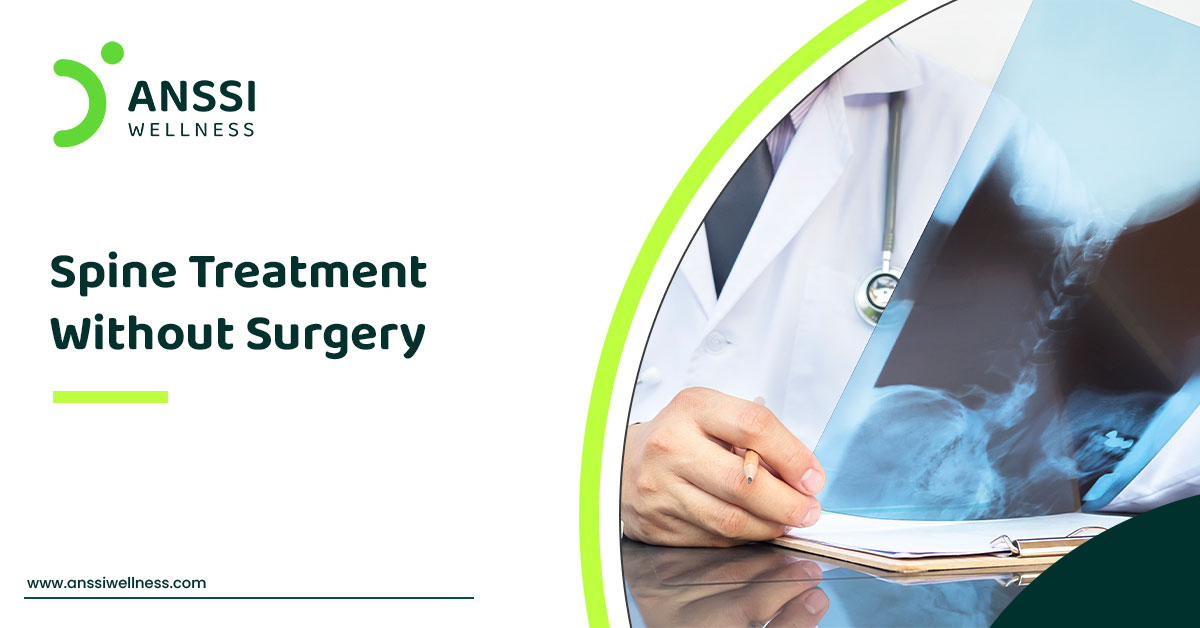
Spine Treatment Without Surgery

A key part of the human body, the spine plays a crucial role in our day-to-day activities. Any issue with the spine can have a significant negative impact on our daily activities. Sure to say, back pain is one of the most familiar reasons behind employees taking leaves. In such a scenario, it’s essential to be aware of effective non-surgical treatment options for spine disorders, which we will focus on in this blog.

The anatomy of the spine

Simply speaking, the spine is a structure with a curved design comprising a sequence of tiny bones named vertebrae having discs between them which basically function as cushions for the bones. In the centre of the spine is a canal that incorporates the nerves and the spinal cord. These nerves perform the function of transmitting signals between the brain and the body.

Common spine conditions

Similar to any bones, the spine can degenerate or get injured, resulting in various spine conditions such as:

Disc degeneration

Wearing out of the discs between the spinal vertebrae. It’s generally related to age and causes pain in the spinal region.

Osteoarthritis

Another age-related spine condition, osteoarthritis involves the wear & tear of the joint cartilage and culminates in stiffness and spine pain.

Sciatica

Sciatica occurs when the big sciatic nerve present in the lower back region gets compressed, leading to back, hip & leg pain.

Pinched nerve

As the name suggests, a pinched nerve comprises a nerve in the spine region getting pressurised by nearby cartilage/bones, resulting in spine pain, tingling sensation, weakness or numbness.

Spinal stenosis

This condition involves contraction of the spine exerting pressure on the nerves & spinal cord. This causes pain in the spine region accompanied by weakness, numbness and, in some cases, loss of bladder control.

Osteoporosis

Bones in the spine region become brittle & weak, increasing the likelihood of a fracture.

Non-surgical treatment of spine pain

Chronic spine pain can be treated through non-surgical treatment options, thus helping avoid the significant risks that come with spine surgery.

Non-surgical spinal decompression treatment

The non-surgical spinal decompression treatment is the best treatment option for a wide range of spine conditions like a slipped disc, spondylosis, sciatica, disc degeneration, etc. Highly affordable and risk-free, it involves:
  • 100% Non-Surgical Treatment
  • No Medicines
  • No Injections
  • No Hospitalisation
  • No Side-effects
  • No Post-treatment physiotherapy
It has a success rate of more than 85% and provides lifelong relief from back & neck pain caused by spinal disorders.

Physical therapy

A physical therapist can help alleviate spine pain by helping you perform exercises that bolster your core region and boost circulation in the spine region. Also, they can help find out the severity of your spine condition through a range of motion evaluation.

Medication

Various kinds of medications, such as non-steroidal anti-inflammatory drugs, nerve medications, muscle relaxants, etc., can help relieve spine pain. However, they can cause a variety of side effects such as:
  • Dizziness
  • Nausea or vomiting
  • Flawed judgment
  • Slowness in breathing
  • Itching
  • Constipation
  • Addiction

Conclusion

Being aware of the non-surgical treatment options for spinal disorders provides individuals with the avenue to avoid the major risks involved in spine surgery. If you are experiencing chronic neck or back pain and have been recommended spine surgery, then contact our Spine Specialists for an Expert Consultation. Book an appointment at your nearest ANSSI Wellness Centre: FAQs

You can opt for non-surgical treatment options like Spinal Decompression Treatment, Physical Therapy, etc.

Yes, spinal cord compression can be successfully treated via the Non-Surgical Spinal Decompression Treatment.

Share

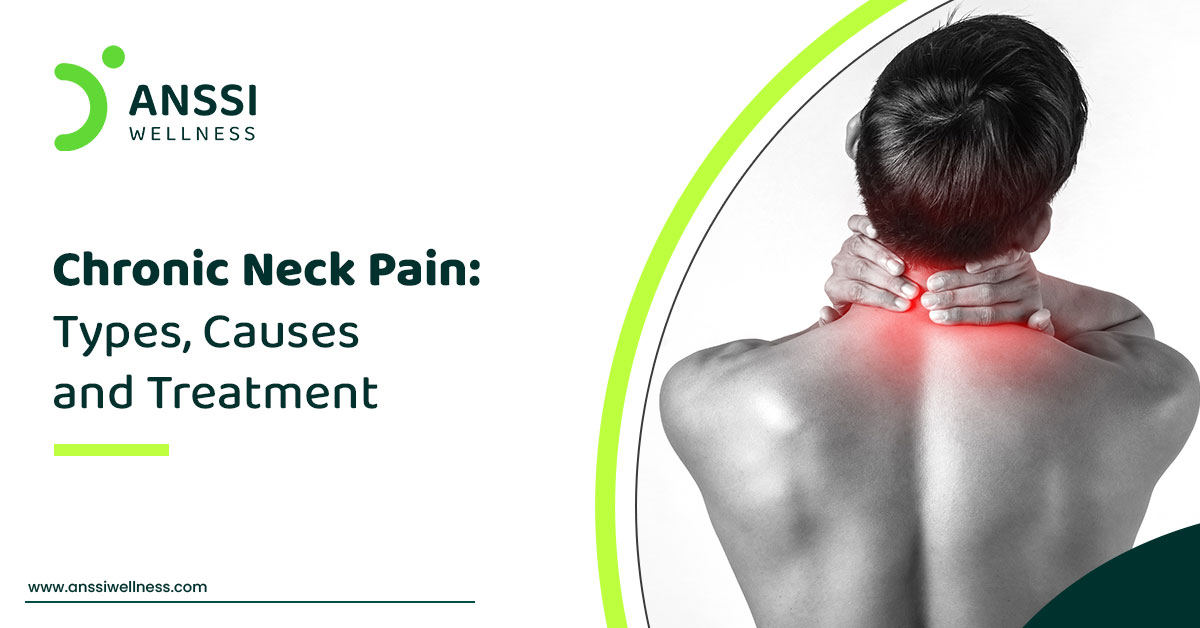
Chronic Neck Pain: Types, Causes and Treatment

Neck pain that persists for a number of weeks is called chronic neck pain. It can be the result of various spinal disorders such as spondylosis, slipped disc, disc degeneration, etc. Chronic neck pain has become common among working professionals due to hours-long desk jobs that restrict activity & cause stiffness of the spine. Let’s check out the different types, causes and treatment options for chronic neck pain.

Types of Neck Pain

Following are the common types of neck pain:

Neck Stiffness

Pain experienced while moving the head. Generally involves soreness and may also be accompanied by headache, arm/shoulder pain, etc.

Sharp/Stabbing Pain

An intense pain experienced in a particular area of the neck that feels like getting stabbed with a sharp object.

Dull/Sore/Tender Pain

Soreness or dull pain spread over a neck region.

Radiating Pain

Pain which gives a feeling that it’s travelling from the spine to various body parts like arms, shoulders, hands, fingers, legs, etc.

What are the common causes of chronic neck pain?

Neck muscle strain and compression of a nerve in the neck region are among the most common causes of chronic neck pain. Other causes include:

Cervical Spondylosis

Wear and tear of the spine present in the neck region, generally due to age and sometimes caused by injury.

Traumatic Injury

As the name suggests, a traumatic injury is an injury that causes severe trauma to the joints, muscles, discs, bones and other tissues in the neck.

Poor Posture (Forward Head Posture)

As per a research study, an extra 10 pounds of weight is exerted on the cervical spine for every inch of forward head posture. Hence, regular poor posture, particularly that of the head, is closely associated with cervical spine disorders & chronic neck pain.

Cervical Herniated Disc

A slipped disc or ruptured disc in the neck region is referred to as a cervical herniated disc. It can cause extreme neck pain that may also radiate to other body parts.

Cervical Osteoarthritis/Spondylosis

Arthritis of the neck is called cervical osteoarthritis/spondylosis. It comprises degeneration of the bones in the cervical spine.

Cervical Spinal Stenosis

This spine condition involves the narrowing of the spinal canal due to wear and tear or injury.

Should you delay the treatment?

Detecting the reason behind chronic neck pain is very important as it could be the result of an underlying condition that may worsen over time, causing permanent damage or even death.

Hence, it’s well-advised to consult a doctor at the earliest and get yourself evaluated if you are experiencing persistent neck pain that is playing havoc with your everyday life.

Conclusion

A wide range of conditions and factors can cause chronic neck pain. Hence, an early, accurate diagnosis is vital to ensure speedy pain relief and avoid potential complications.

Book a Consultation with our Spine Experts at your nearest ANSSI Wellness Centre:

FAQs

Chronic neck pain accompanied by symptoms like weakness, numbness, tingling sensation, pain that radiates into other body parts, etc., is considered to be serious.

Neck pain that persists for a number of weeks is considered chronic in nature.

Chronic neck pain, if left untreated, can cause permanent physical disability.

Share

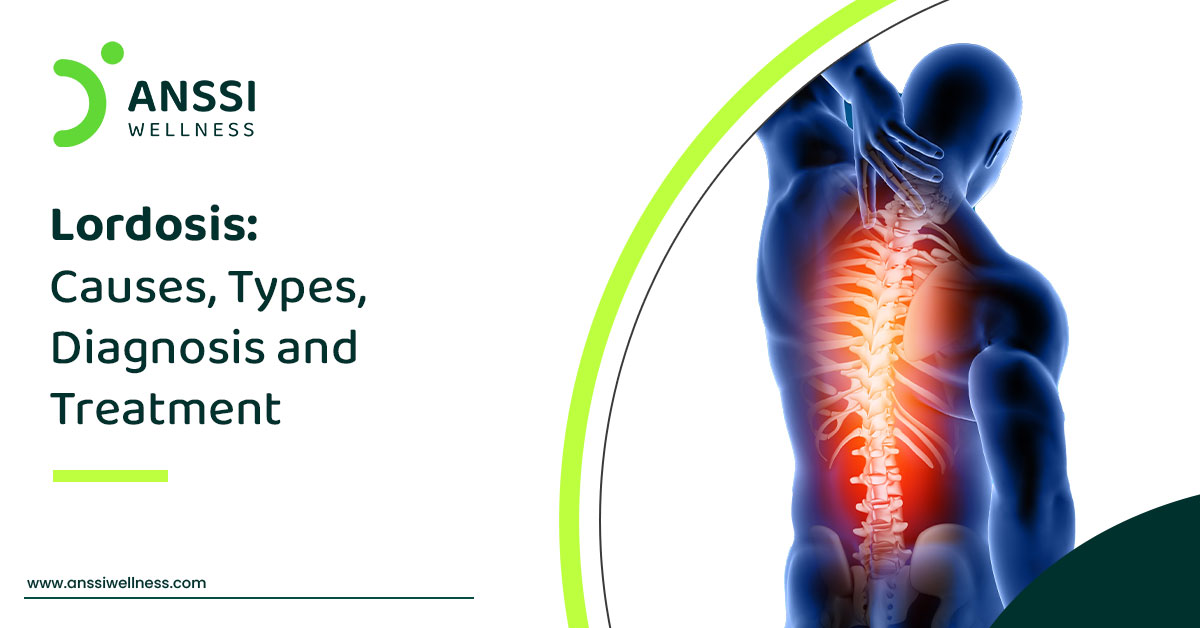
Lordosis: Causes, Types, Diagnosis and Treatment

Do you have an abnormal inward curve of the spine? It could be lordosis! Through this comprehensive blog, we aim to explain lordosis in detail, including its common causes, types, diagnosis, treatment and more.

What is lordosis?

The medical name for an excessive inward curve of the spine, Lordosis can interfere with your daily activities by negatively affecting the lower back & neck area. Sometimes called swayback, it can cause excruciating pain & discomfort in severe cases by exerting plenty of pressure on the spine. Lordosis that affects the lower back & neck region is called lumbar lordosis and cervical lordosis, respectively. It can significantly impact your mobility without appropriate treatment.

Common causes of lordosis

Specific factors & health conditions can elevate the risk of lordosis. This comprises:

  • Obesity or overweight
  • Improper posture on a regular basis
  • Injury or disease related to the spine
  • Osteoporosis (Condition in which bones become brittle & weak)
  • Family Genetics (Inherited from one of the parents)
  • Spondylolisthesis (Spinal disorder involving a bone slipping forward onto the bone under it)
  • Achondroplasia (Deterioration in bone growth in the cartilage of the growth plate)
  • Osteosarcoma (Type of bone cancer that starts in the cells which constitute bones)

What are the types of lordosis?

There are 5 primary types of lordosis:

Postural Lordosis

Generally caused by obesity, postural lordosis comprises weak back & stomach muscles that aren’t able to support the spine, resulting in the spine curving forward.

Congenital/Traumatic Lordosis

An injury or trauma that causes a fracture in the connecting links of the spine, this type of lordosis causes pain in the lower spine region. It can also be caused due to growth defects. Over time, it can lead to pinched nerves in the spine.

Post-surgical Laminectomy Hyperlordosis

After a laminectomy (surgery wherein spinal bones are removed) is conducted over various spine levels, it can result in the spine becoming unstable & expand the normal curve to an abnormal level. This condition is more common in children than adults.

Neuromuscular Lordosis

Neuromuscular lordosis comprises a long list of disorders or conditions that can cause various spinal curvature issues. Each type of problem features several treatment options.

Lordosis Secondary to Hip Flexion Contracture

A comparatively rare condition, this type of lordosis includes developing a contracture of the hip joints culminating in the spine being drawn out of normal alignment.

Can Pregnant Women Experience Lordosis?

A considerable number of pregnant women exhibit symptoms of lordosis such as hips pushed forward, buttocks sticking out, back pain, etc., due to the protruding belly. However, in many cases, it’s just the body’s adaptation to the pregnancy, and the back pain disappears after the baby’s birth.

How to diagnose lordosis?

Diagnosing lordosis generally involves doctors checking patients’ past medical history, conducting a physical examination and enquiring about the symptoms being experienced. After getting a brief idea, doctors generally recommend diagnostic tests, including a spine x-ray, to examine the angle of the spinal curve. An MRI or CT scan may also be advised to ensure an accurate diagnosis.

Lordosis treatment

Treatment is necessary for lordosis only in severe cases. It comprises the following treatment options:

  • Medications to decrease back pain & swelling
  • Physical therapy & exercises for bolstering muscles and increasing range of motion
  • Weight loss to improve posture
  • Braces for children & teenagers
  • Nutritional supplements like vitamin D

Nonsteroidal anti-inflammatory drugs may also be prescribed in case of intense back pain caused by lordosis. The kind of treatment recommended to a patient depends on the severity of the spinal curve and the reason behind it.

Conclusion

Lordosis can cause chronic back pain and have a substantial negative impact on a person’s mobility & flexibility, making it difficult to carry out daily activities. Nevertheless, with prompt diagnosis & subsequent treatment, lordosis can be successfully treated, preventing future complications. If you are experiencing signs of lordosis, then get in touch with our Spine Specialists at ANSSI Wellness Centre. Click here to schedule your appointment:

FAQs

In the majority of cases, lordosis gets corrected over time without any treatment. However, in severe cases, treatment is required to cure lordosis.

Yes, lordosis in adults can get cured with or without treatment, depending on its severity.

Share

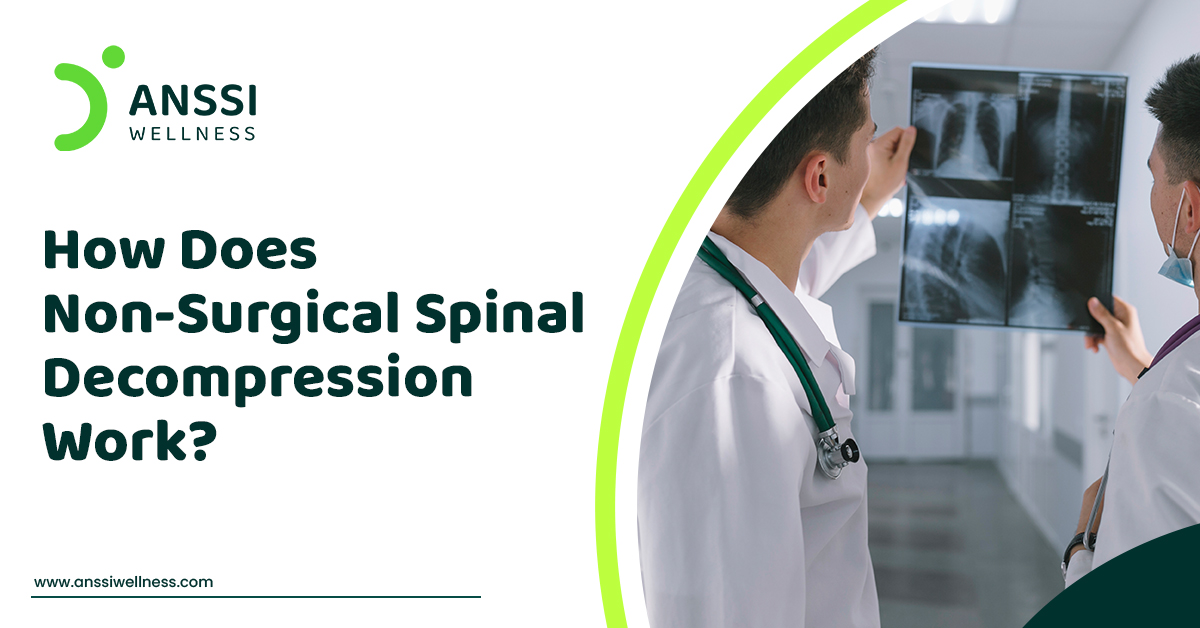
How Does Non-Surgical Spinal Decompression Work?

Interested to know how does non-surgical spinal decompression work? You’re at the correct place! Whether it be chronic back or neck pain, non-surgical spinal decompression is the best treatment for lifelong pain relief at much less cost than the surgery expenses.

What is Non-Surgical Spinal Decompression?

Non-surgical spinal decompression is a kind of non-invasive treatment procedure for chronic back & neck pain. It involves:

  • Zero medications or injections
  • No hospitalisation
  • Zero risks associated with surgery or anaesthesia
  • No side effects
  • Affordable cost

How Spinal Decompression Works?

Following is the step-by-step treatment procedure of the non-surgical spinal decompression treatment:

  • You will be asked to lie down on the treatment table with your face facing the table cover.
  • Next, you will be attached to the specialised non-surgical spinal decompression treatment machine.
  • The tension level of the machine will be set to a level specified by the spine expert as per the condition you’re suffering from and its severity.
  • The level of tension will then be automatically regulated by the machine.
  • The machine will gently stretch the spine, alleviating any pressure present on spinal nerves, spinal discs, joints & connective tissues.
  • The reduction in pressure will boost blood circulation, facilitating the supply of oxygen, water and related nutrients to the spine.
  • This will accelerate the healing of the condition present.
  • A number of such treatment sessions will take place for around 6 weeks until the condition is completely treated.

Benefits of Spinal Decompression

Check out the various amazing benefits of non-surgical spinal decompression treatment:

  • 100% non-surgical treatment
  • Completely painless procedure
  • Pain relief within a few weeks time
  • Relieve back/neck pain that radiates down the legs & arms
  • Treatment can be personalised to fulfill each patient’s requirements

Conditions Treated by Spinal Decompression

Non-surgical spinal decompression can help treat a variety of conditions & injuries, including:

  • Back pain
  • Neck pain
  • Spinal pain
  • Slipped disc
  • Sciatica
  • Spondylosis
  • Disc degeneration
  • Pain radiating into the hands, arms or legs
  • Tingling or numbness in arms

Studies on Non-Surgical Spinal Decompression

Go through some of the research studies conducted by reputed journals and the conclusions they made:

Study 1 – Chronic Lower Back Pain

This research study was published in the Journal of Science & Medicine in Sport. The aim of this study was to evaluate the safety & effectiveness of non-surgical spinal decompression treatment.

The study comprised 20 patients suffering from chronic lower back pain. The condition was linked with the detection of bulging or herniated discs, lower back pain associated with musculoskeletal issues, degenerative discs, or sciatica.

The non-surgical spinal decompression treatment was conducted for a period of 6 weeks with 20 sessions, each lasting 28 minutes. The research study results indicated a decrease in pain score from 6.4 to 0.8 in the 6th week, wherein 0 signifies no pain and 10 indicates extreme pain.

The study also mentioned a recorded enhancement in the range of motion & zero negative effects caused by the treatment. Moreover, the results stated that none of the patients needed any further invasive treatments.

Study 2 – Disc Height

Published in the BMC Musculoskeletal Disorders Journal, this research study was conducted to figure out any modifications in lumbar disc height for individuals who had undergone spinal decompression therapy for a period of 6 weeks.

It comprised 30 individuals (9 males & 21 females) with an average age of 65 years, suffering from lumbar disc herniation. It calculated results in pain relief on a verbal rating scale of 0-10 as a component of the assessment.

After the treatment, it was found that there was a significant reduction in lower back pain with a drop from the initial 6.2/10 to 1.6/10 after the treatment. In addition to that, there was a big rise in disc height from 7.5 mm – 8.8 mm.

The conclusion of this study mentioned that non-surgical spinal decompression therapy was linked with pain decrease via a rise in disc height for individuals experiencing chronic discogenic lower back pain.

Study 3 – Lumbosacral Pain

This research study was published in the American Journal of Pain Management. It comprised 39 patients, with 12 women & 27 men from the age group of 31-63. They had been suffering from back pain for a duration of 1-20 years.

The study’s results mentioned that spinal decompression treatment provided a minimum pain relief of 50-89%, up to 90-100% for patients experiencing pain due to Ruptured Intervertebral Disc. In addition, sciatica & back pain in patients was successfully treated due to the treatment.

The results also stated the impact of spinal decompression on patients diagnosed with Facet Arthrosis. It concluded that 75% of patients experienced minimum pain relief of 50-89%, stretching up to 100% enhancement in pain relief after the treatment.

Study 4 – Herniated & Degenerative Disc Disease

Published in the Orthopedic Technology Review Journal, this study was carried out to assess the outcomes of spinal decompression treatment on 219 individuals (140 males & 79 females). They had been diagnosed with herniated & degenerative disc disease and belonged to the 24-74 age group.

The conclusion of the research study was that 86% of individuals felt instant relief from symptoms & 84% of them were free of pain 90 days after the treatment came to an end. Additional physical examination discovered that 92% of the 219 patients reported some kind of pain relief.

To summarise, the results demonstrated that spinal decompression treatment was successful in decreasing the pain and normalised the range of motion, reflex & gait in individuals with herniated & degenerative disc disease. Furthermore, it endorsed the fact that the cost of non-surgical spinal decompression treatment is a fraction of the surgery cost.

Conclusion

Want to experience lifelong pain relief from your chronic back or neck pain? Schedule an appointment at your nearest ANSSI Wellness Centre for a Detailed Consultation with our Spine Expert! Click here to book an appointment:

FAQs

Non-surgical spinal decompression has a success rate of more than 85%.

Yes, spinal decompression can help treat herniated or bulging discs.

Reference:

Gionis, Thomas A., and Eric Groteke. “Spinal decompression.” Orthopedic technology review 5 (2003): 36-39. https://comfortrac.net/wp-content/uploads/2015/11/Spinal_Decompression.pdf

Daniel, Dwain M. “Non-surgical spinal decompression therapy: does the scientific literature support efficacy claims made in the advertising media?.” Chiropractic & Osteopathy 15.1 (2007): 1-5. https://chiromt.biomedcentral.com/articles/10.1186/1746-1340-15-7

Share

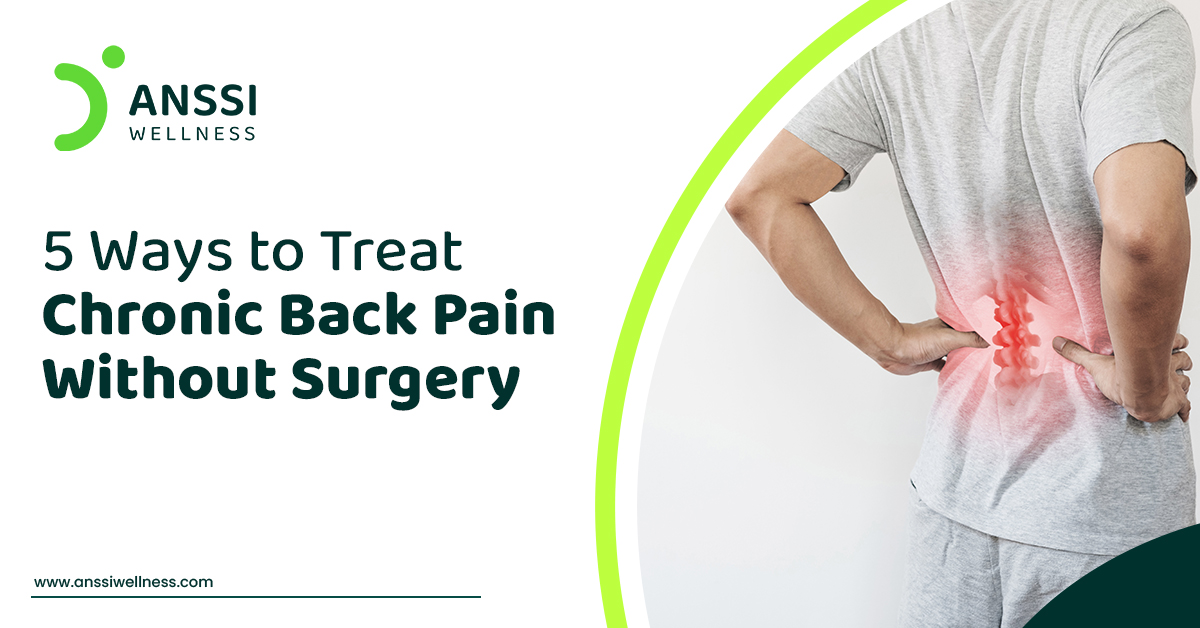
5 Ways to Treat Chronic Back Pain Without Surgery

Want to know how to treat chronic back pain without surgery? This blog is for you! First of all, it’s essential to know which back pain is termed as chronic. So basically, back pain that is experienced for a period of 3 or more months is said to be chronic in nature. It may be intermittent, providing relief for a short period of time before making a comeback. Let’s check out the common causes of chronic back pain:

What are the common causes of chronic back pain?

Following are some of the well-known causes of chronic back pain:

  • Improper posture
  • Spinal arthritis
  • Spinal disc problems
  • Spine joint/muscle issues
  • Spinal stenosis

What are the symptoms of chronic back pain?

Common symptoms of chronic back pain include:

  • Constant back pain
  • Swelling/inflammation in the back region
  • Pain in the legs and knees
  • Numbness around the buttocks, genitals & anus
  • Experiencing problems with urination

Non-Surgical Treatments for Chronic Back Pain

Any kind of surgery involves a lot of risks and side effects. Hence, it’s well-advised to opt for non-surgical treatments instead of surgery. Check out some of the non-surgical treatments available for chronic back pain:

Non-Surgical Spinal Decompression Treatment

A highly cost-effective & potent treatment for chronic back pain, the non-surgical spinal decompression treatment has treated over 3500 patients globally so far. Treatment Highlights:
✅ Proven & Patented Spinal Decompression Technology Since 1994
✅ Very Effective as per USA Journal of Clinical Research
✅ Safe without any Risks associated with Surgery or Anesthesia
✅ Zero Side Effects
✅ No Medication and Hospitalization required

Physical Therapy

Physical therapy may help treat some instances of chronic back pain, such as those that involve poor posture as one of the reasons behind it. It may comprise:

  • Correcting posture
  • Assessing the limits of pain tolerance
  • Flexibility & stretching exercises
  • Aerobic exercises
  • Core strengthening exercises

Mindfulness & Meditation

Chronic back pain can have a profound negative effect in a physical as well as emotional sense. However, yoga, meditation, and other cognitive & relaxation techniques may help limit this adverse impact.

Lifestyle Modifications

People with chronic back pain should make adjustments in their daily lifestyle to avoid aggravating the pain and/or the underlying condition causing it.

Diet

Avoiding consumption of foods that are inflammatory in nature, such as highly processed foods and foods that contain huge amounts of refined sugars & trans fats.

Conclusion

Chronic back pain can very well be treated through non-surgical treatments. It’s important to detect the health condition causing it for a swift & appropriate treatment. The Non-Surgical Spinal Decompression Treatment is the finest treatment available for chronic back pain. To know more about it, schedule an appointment with our Spine Specialist at your nearest ANSSI Wellness Center:

FAQs

The word chronic is generally attributed to back pain that persists for a period of 3 or more months.

Yes, chronic back pain can be successfully treated with the Non-Surgical Spinal Decompression Treatment.

No, it isn’t normal to experience back pain on a daily basis. You should contact a spine expert if your back pain doesn’t go away within a couple of weeks.

Reference:

Gionis, Thomas A., and Eric Groteke. “Spinal decompression.” Orthopedic technology review 5 (2003): 36-39. https://comfortrac.net/wp-content/uploads/2015/11/Spinal_Decompression.pdf

Daniel, Dwain M. “Non-surgical spinal decompression therapy: does the scientific literature support efficacy claims made in the advertising media?.” Chiropractic & Osteopathy 15.1 (2007): 1-5. https://chiromt.biomedcentral.com/articles/10.1186/1746-1340-15-7

Share

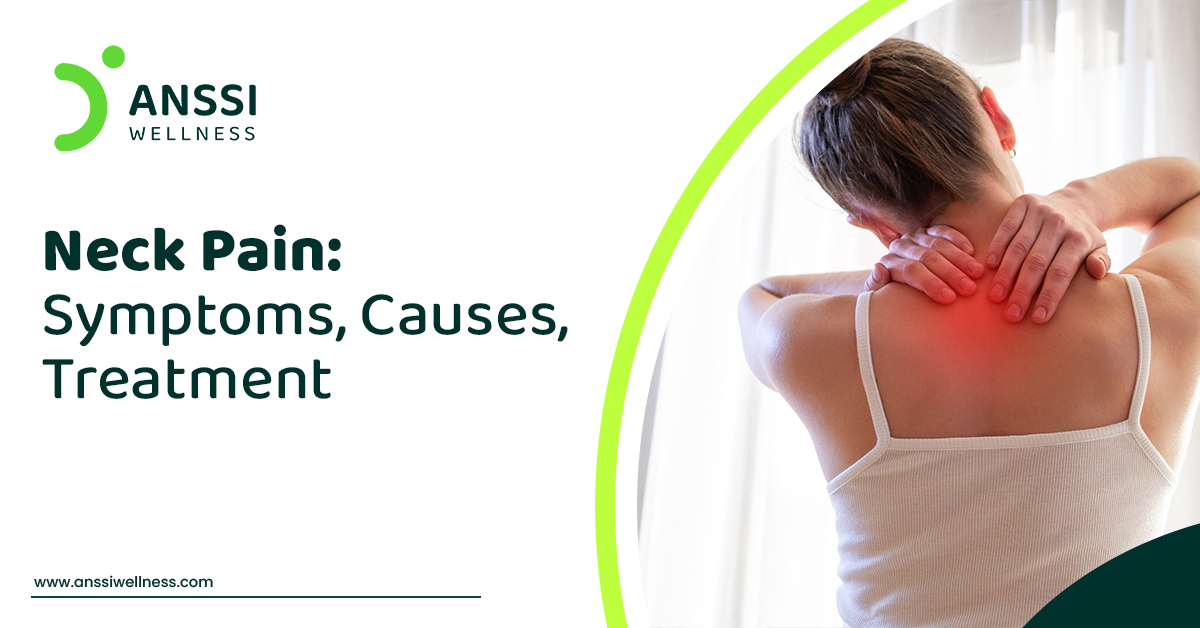
What Is Neck Pain? Causes, Symptoms, and Treatment

Experiencing constant neck pain? Some of the causes of neck pain are arthritis, narrowing of the spinal canal, strain or trauma. Read this comprehensive blog on neck pain to get a detailed overview of neck pain causes, neck pain symptoms, and neck pain treatment.

What is neck pain?

Neck pain is a common problem faced by most people. It can be the result of a wide array of health conditions, ranging from mild to serious. Constant neck pain that persists for an extended period is generally caused by an underlying health condition that requires a medical diagnosis.

Neck pain symptoms

The following signs & symptoms are an indication of neck pain:

Stiffness in the neck

Experiencing a feeling of stiffness in the neck and a reduced range of motion is an indication of neck pain.

Sharp pain

Sharp pain in a specific region of the neck also signifies neck pain.

Pain when moving

Pain experienced in the neck portion while moving, bending or stretching the cervical spine is another symptom of neck pain.

Radiating pain or numbness

Neck pain that spreads to the arms, shoulders, head & chest along with numbness and a tingling sensation in those areas requires medical intervention. This is because it’s normally an indication of a pinched nerve.

Headache

Pain that begins in the neck may also lead to a headache called a cervicogenic headache. It might also be a symptom of a migraine headache.

Pain when palpated

Another symptom involves experiencing a rise in neck pain when your cervical spine is being examined by a healthcare professional.

What causes neck pain?

Neck pain can result from various health conditions such as muscle inflammation, strain/trauma, disc degeneration, arthritis, spinal canal narrowing, and meningitis & cancer in rare circumstances. Let’s get to know some of these reasons in detail:

Muscle tension & strain

This is generally a culmination of:

  • Sleeping with the neck in a poor position
  • Wrong posture
  • Continuous desk jobs with no activity in between
  • Jerking neck while doing exercise

Injury

Neck pain is commonly caused by the following types of injuries:

  • Falls
  • Vehicle accidents
  • Sports-related injuries
  • Sudden jerking of the head

Meningitis

A potentially deadly disease, meningitis is basically inflammation of the membranes that encircle the spinal cord & brain. It’s usually caused by an infection and results in neck pain accompanied by stiffness.

Other causes

Other causes of neck pain include:

Rheumatoid arthritis

A chronic inflammatory condition that impacts various joints, rheumatoid arthritis may cause neck pain due to bone spurs or joint inflammation.

Osteoporosis

Osteoporosis usually affects the knees/hands by weakening the bones and causing tiny fractures in them. However, this may also happen in the neck portion.

Fibromyalgia

A disorder that results in tenderness & muscle pain across the body, pain caused by fibromyalgia is more likely to occur in the neck & shoulder area.

Spinal stenosis

A spinal disorder that can cause chronic neck pain, spinal stenosis is characterized by narrowing of the spinal column.

How to ease neck pain at home

Neck pain is generally mild in nature and can be cured at home with basic conservative medical treatment and rest. The following are some of the common treatments used at home to treat neck pain:

  • Applying ice/heat packs
  • Consuming over-the-counter painkillers
  • Maintaining good posture
  • Simple neck stretching exercises
  • Adequate rest

When to see a doctor?

If home remedies don’t work and the neck pain persists & hinders your everyday life, then it’s well-advised to consult a doctor for appropriate diagnosis & treatment. Here are some of the symptoms that necessitate medical evaluation:

  • Neck pain without any identifiable reason
  • Having trouble moving the neck
  • Lump or swelling in the neck region
  • Numbness in the neck
  • Tingling feeling in the neck area
  • Difficulty in breathing/swallowing

Non-Surgical Spinal Decompression Treatment for Neck Pain

Relief from chronic neck pain without any risky surgery or heavy medicines/injections is very much possible! Our US patented Spinal Decompression Treatment helps treat neck pain caused due to spinal disorders at a budget-friendly price without hospitalization or side effects. Check out the procedure of this proven treatment:

  • Your spine will be gently lengthened & released through repetitive movements.
  • This will cause a negative pressure change within the spinal joints, thus facilitating the pulling back of the nutrients into the disc.
  • This causes a physiological change which reduces pain levels and aids the body’s natural healing process.

Conclusion

Most people feel neck pain due to muscle strain & incorrect posture. This kind of moderate pain usually goes away within a few weeks with basic treatment. However, chronic neck pain necessitates medical diagnosis to detect the underlying health condition and its subsequent treatment. If you are suffering from consistent neck pain for a prolonged period of time, then contact our spine experts now for a consultation! Click here to schedule your appointment:

FAQs

The most common cause of neck pain is poor posture.

Neck pain is generally serious when it persists for a long time period and is accompanied by other worrying symptoms.

Reference:

Gionis, Thomas A., and Eric Groteke. “Spinal decompression.” Orthopedic technology review 5 (2003): 36-39. https://comfortrac.net/wp-content/uploads/2015/11/Spinal_Decompression.pdf

Daniel, Dwain M. “Non-surgical spinal decompression therapy: does the scientific literature support efficacy claims made in the advertising media?.” Chiropractic & Osteopathy 15.1 (2007): 1-5. https://chiromt.biomedcentral.com/articles/10.1186/1746-1340-15-7

Share

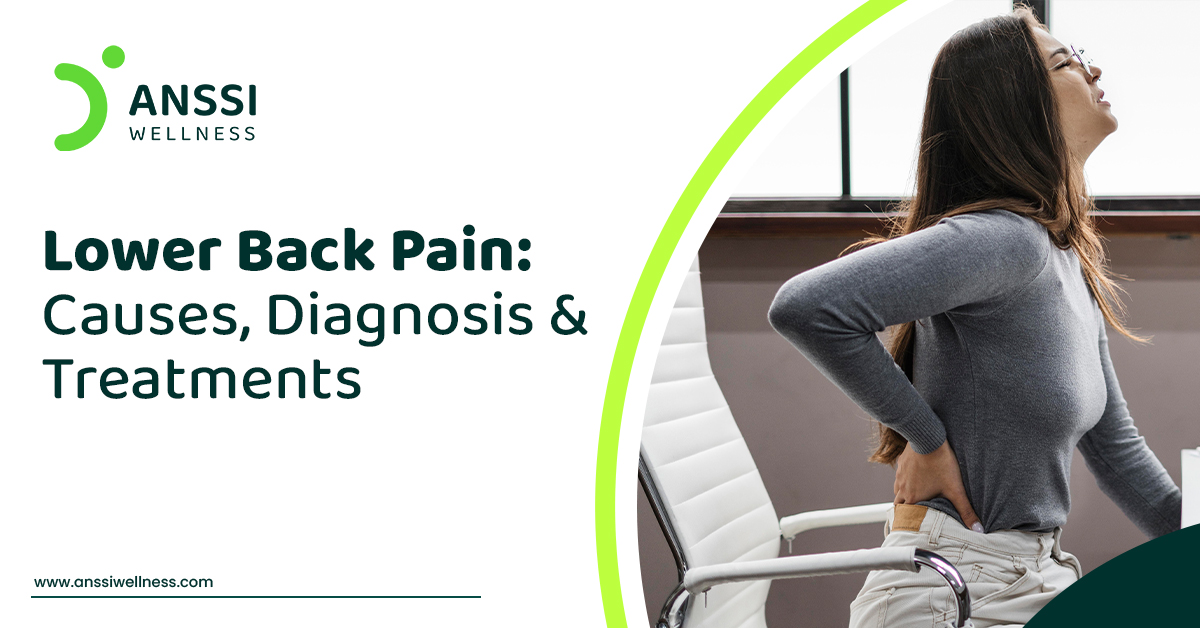
Lower Back Pain: Causes, Diagnosis & Treatments

Lower back pain is a common issue experienced by a large number of people worldwide and is caused by a variety of conditions. This blog will help you understand the lower back pain causes, pain diagnosis and the various lower back pain treatments that you can opt for.

What is lower back pain?

As the name suggests, lower back pain is basically pain experienced in the lower back region of the body. The pain can vary from mild to severe pain and in some instances, can make it challenging to perform day-to-day activities.

How common is lower back pain?

Research studies have shown that 4 out of 5 individuals experience lower back pain at some stage in their lifetime. Lower back pain is among the most common reasons people visit a doctor or take a leave from work.

Who experiences lower back pain?

Lower back pain is generally experienced by people suffering from an issue with one or multiple parts of the lower back, including:

  • Muscles & ligaments (tendons)
  • Spinal discs
  • Intervertebral discs
  • Vertebrae
  • Nerves
  • Problem in a nearby organ, like the kidneys

Common causes of lower back pain

Lower back pain can be the result of a variety of injuries, conditions & diseases. Following are the common causes:

Strain

Strain in muscles causes stiffness & soreness and generally leads to lower back pain. It normally happens due to sudden awkward movements or lifting heavy objects in the wrong manner.

However, it can sometimes occur due to overexertion. In some rare cases, strain can also be caused by twisting of the back or while bending over to fetch something.

Structural problems

If you are experiencing severe back pain, then it could be due to structural problems caused by conditions like scoliosis or spinal stenosis. Scoliosis is the curvature of the spine and can cause stiffness in the back, difficulty in movement and pain. In contrast, spinal stenosis occurs when the spinal column is too narrow for the spinal cord.

Arthritis

Spinal osteoarthritis is a major spine condition and causes severe back pain as it progresses. It’s usually a result of damage and wear & tear in the cartilage of joints in the lower back region. If left untreated, it can cause narrowing of the spinal column, leading to spinal stenosis.

Osteoporosis

Osteoporosis is essentially bone density loss & thinning and causes mild to severe lower back pain. It can result in tiny fractures in the vertebrae, culminating in immense pain. Individuals with osteoporosis are at a higher risk of fractures after suffering an accident such as a fall or vehicle crash.

What are the symptoms of lower back pain?

Common symptoms of lower back pain comprise:-
Posture Issues: Having a slouched or bent posture instead of a straight one is a very common symptom of lower back pain. The lower back may seem flat as opposed to curved.
Stiffness: Stiffness of the lower back may make it difficult for you to move or straighten the back. You may take a lot of time to get up from a seated position and typically experience a reduced range of motion.
Muscle Spasms: If you have had a lower back strain, then your lower back muscles may spasm or contract out of control, leading to significant pain. You may find it impossible to move, stand or walk.

Lower back pain treatment

Mild lower back pain generally goes away with adequate rest, basic exercises, ice therapy and common painkillers. However, if the pain persists for a long period of time and increases in severity, then visiting a doctor or spine specialist is recommended. The various lower back pain treatment options available are:

  • Medications
  • Physical therapy
  • Injections
  • Surgery
  • Non-Surgical Spinal Decompression Treatment

Non-Surgical Spinal Decompression Treatment

The most affordable, effective and proven treatment for chronic lower back pain is the Non-Surgical Spinal Decompression Treatment.

Based on the US Patented Spinal Decompression Technology, this world-class treatment involves No medications, injections, hospitalisation, side effects or surgery. ANSSI has so far successfully treated more than 3500 patients worldwide through this best-in-class technology.

Following is the treatment procedure: Decompression treatment gently lengthens & releases the spine via repetitive movements. As a result, a negative pressure change is formed within the spinal joints, enabling the nutrients to be pulled back into the disc. This culminates in a physiological change that reduces pain levels and facilitates the natural healing process of the human body.

Lower back pain home remedies

Certain home remedies can be effective in treating mild lower back pain. This include:

Heat & Ice Therapy

Using ice packs or ice wrapped in a towel/cloth on the lower back area can help alleviate pain & reduce inflammation. On the other hand, warm compresses should be avoided in case of inflammation and instead used for conditions like arthritis.

Exercises

Performing basic exercises for enhancing posture and bolstering the back & abdominal muscles can help decrease lower back pain. You can focus on strengthening the core muscles to increase flexibility.

Conclusion

Although common and generally mild, lower back pain can lead to chronic complications and severe pain if left untreated. If you are suffering from chronic back pain due to a spinal disorder, then get in touch with the Spine Specialists at ANSSI Wellness Center for an Expert Consultation! Click here to book an appointment at your nearest ANSSI Wellness Center:

FAQs

The best treatment for chronic lower back pain is the Non-Surgical Spinal Decompression Treatment.

The diagnosis of back pain – whether it’s muscular or spinal can be identified via an MRI or X-Ray.

Reference:

Gionis, Thomas A., and Eric Groteke. “Spinal decompression.” Orthopedic technology review 5 (2003): 36-39. https://comfortrac.net/wp-content/uploads/2015/11/Spinal_Decompression.pdf

Daniel, Dwain M. “Non-surgical spinal decompression therapy: does the scientific literature support efficacy claims made in the advertising media?.” Chiropractic & Osteopathy 15.1 (2007): 1-5. https://chiromt.biomedcentral.com/articles/10.1186/1746-1340-15-7

Share
Share
Open chat
1
Book Appointment Here
Scan the code
Hello
Can we help you?
Call Now Button
WhatsApp